
Sanding Sticks and Tools for Scale Models
Good sanding is one of the most important steps in producing a clean, convincing scale model. Whether you are removing a mould seam, levelling filler, refining a joint or preparing a surface for paint, the right model sanding tools make the job easier and give you far more control than ordinary household abrasives.
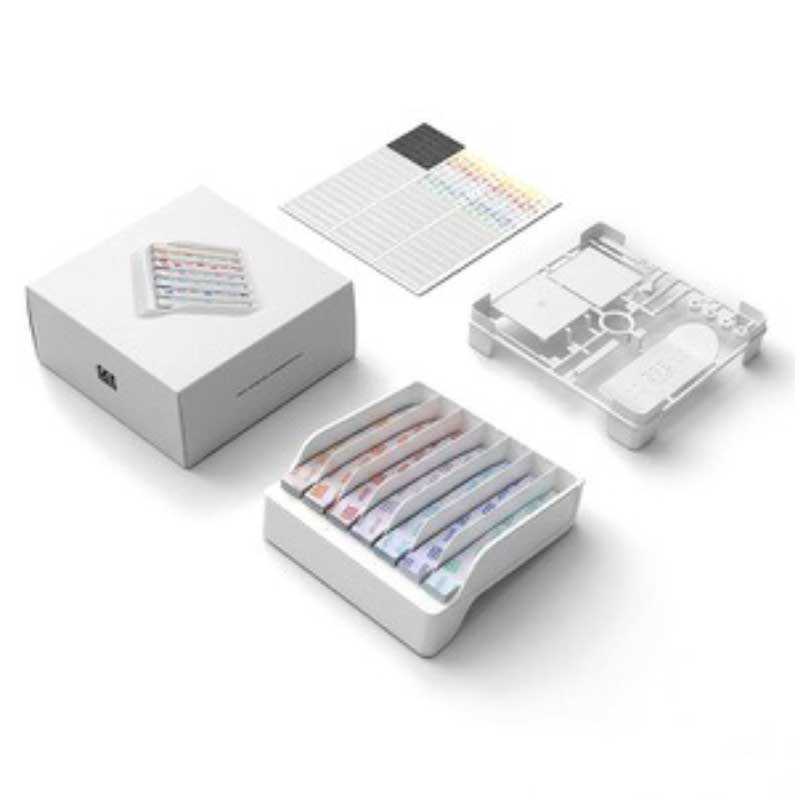
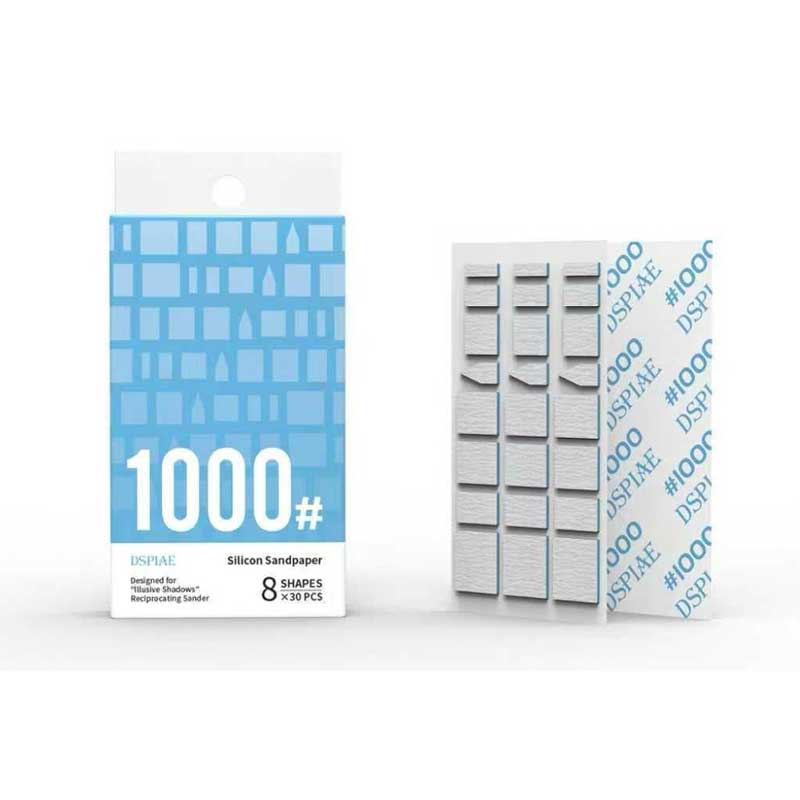
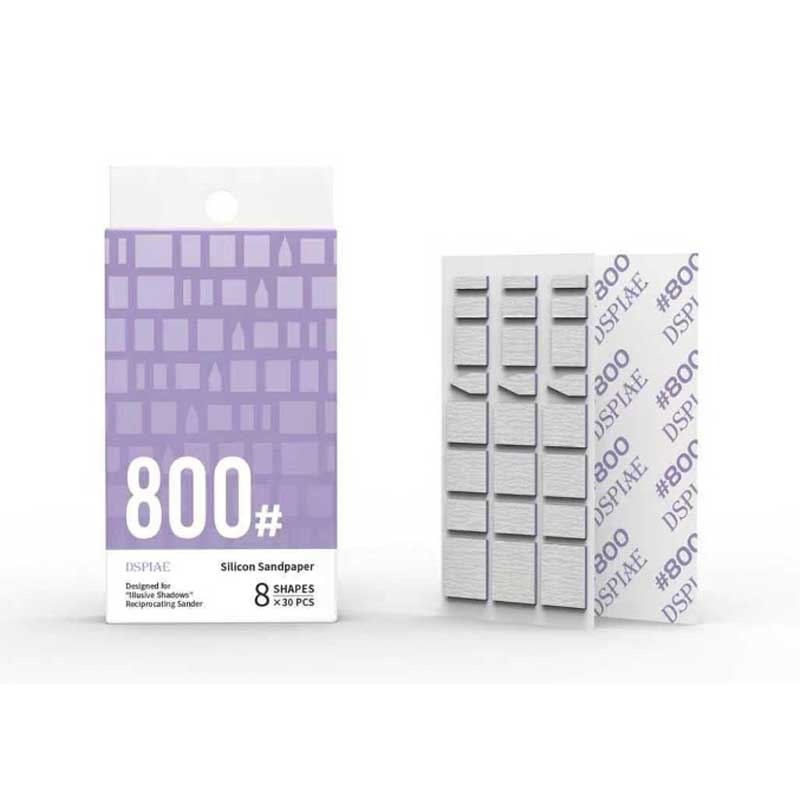
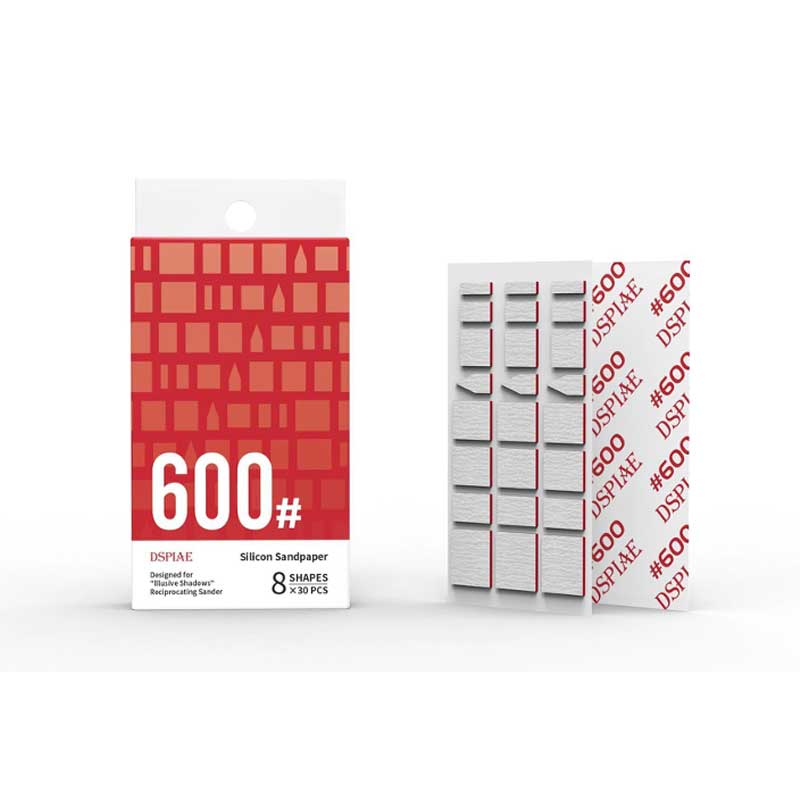
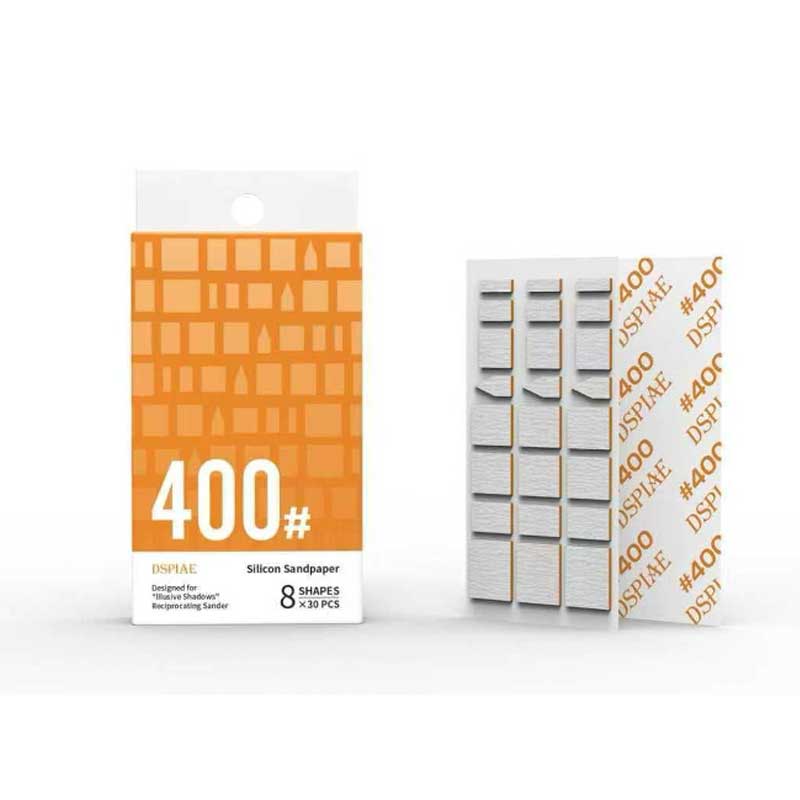
Our sanding category brings together a wide choice of sanding sticks for models, sanding sponges, precision abrasives and model sanders suited to plastic kits, resin parts, miniatures and general modelling work. With different shapes, sizes and grades available, you can choose the tool that best matches the surface and level of refinement required.
Why Use Sanding Sticks for Models?
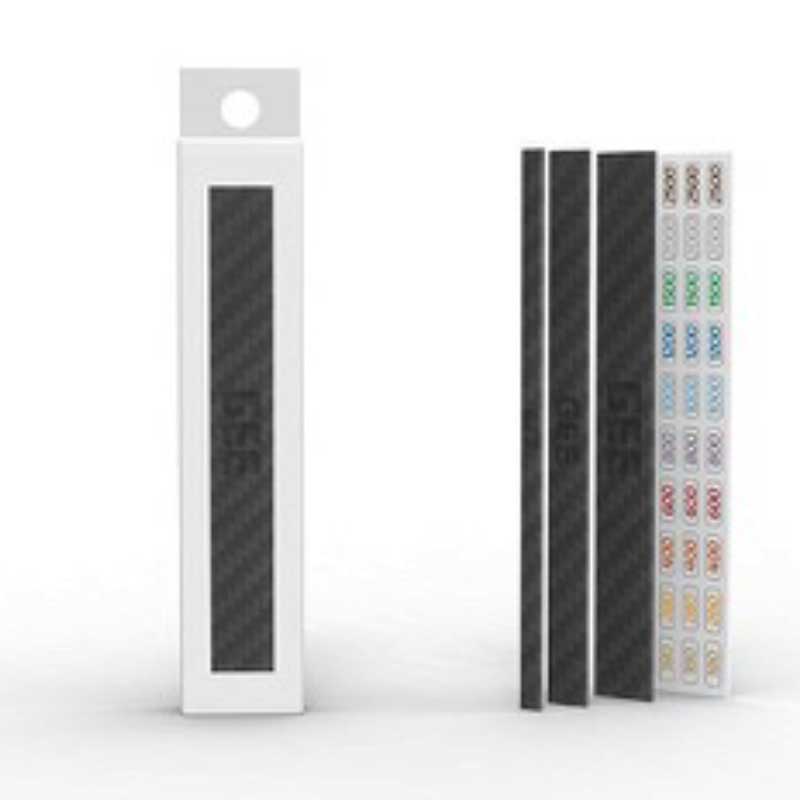
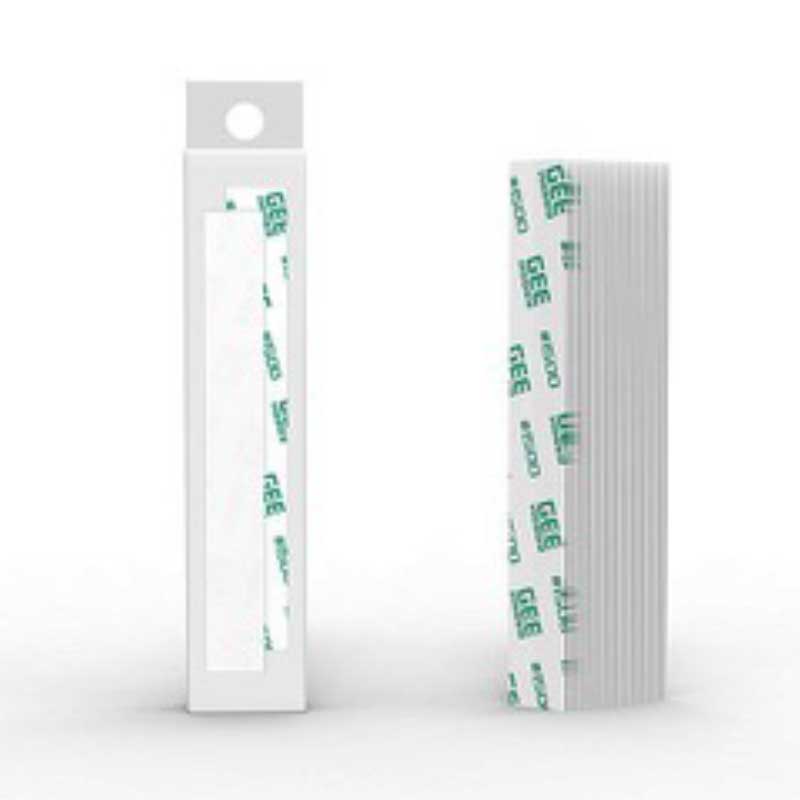
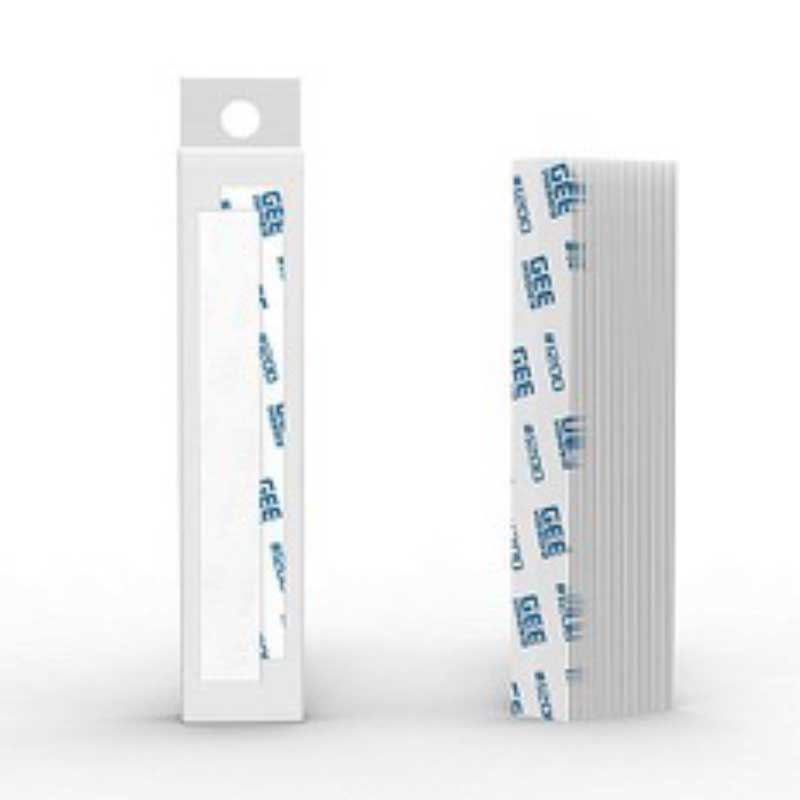
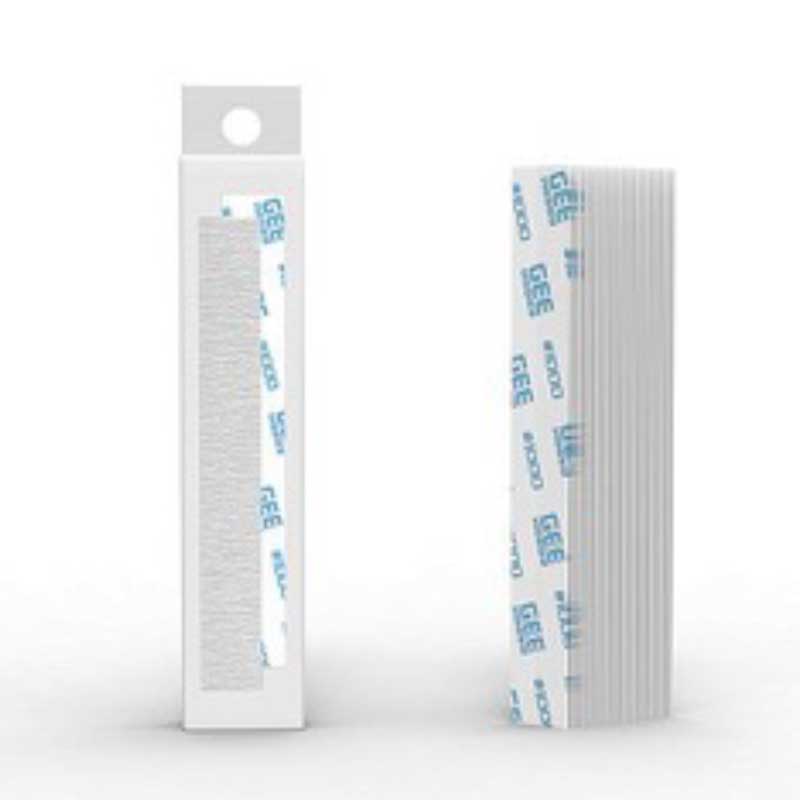
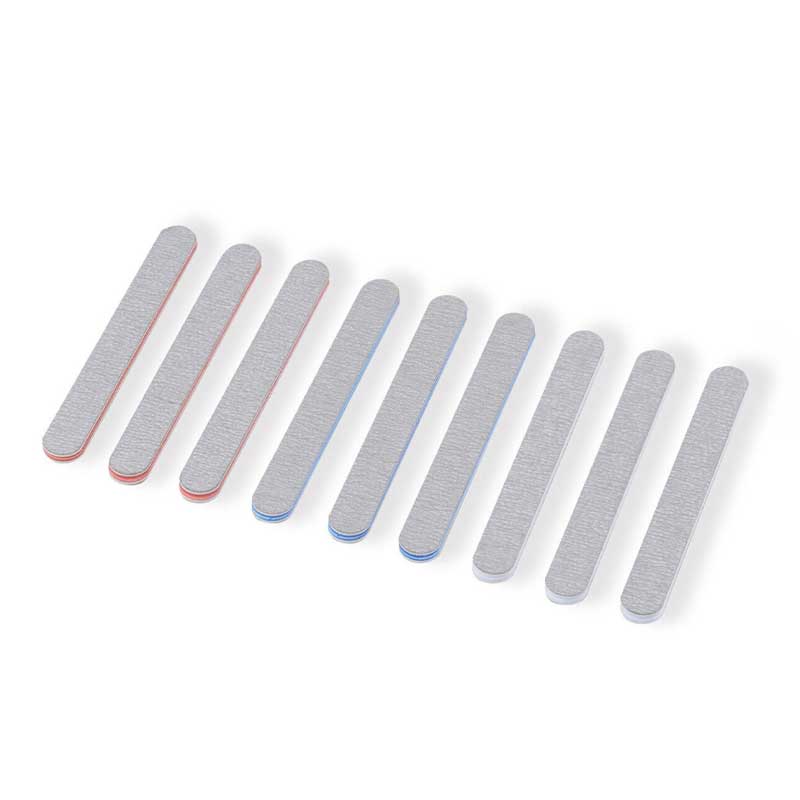
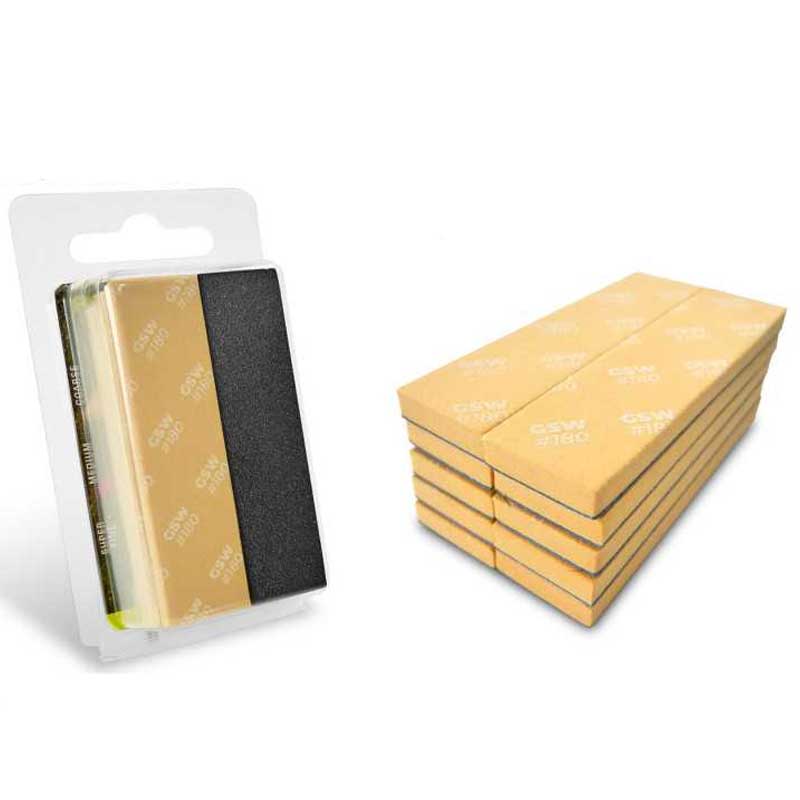
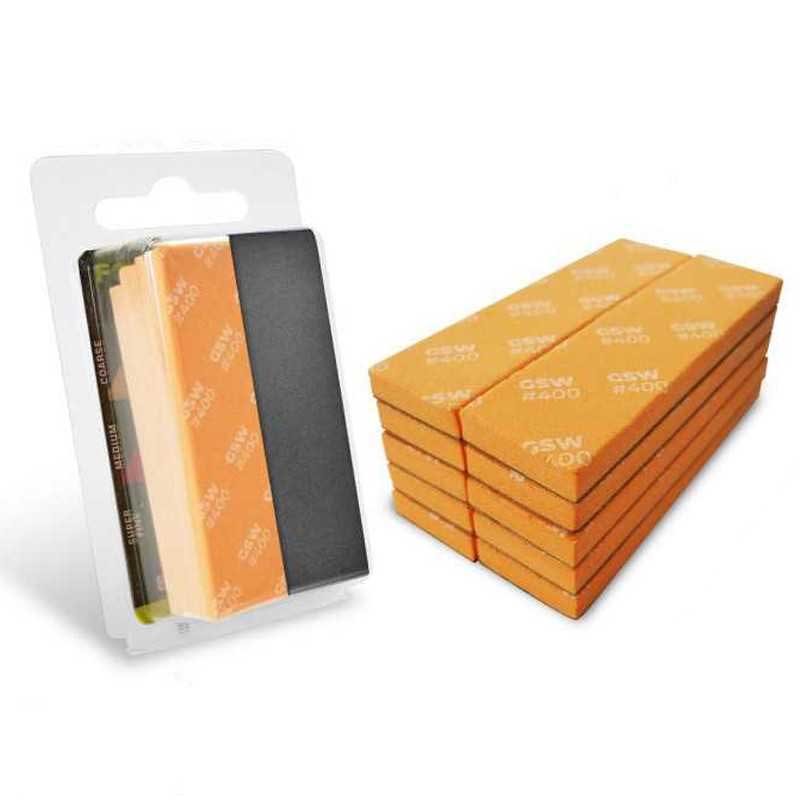
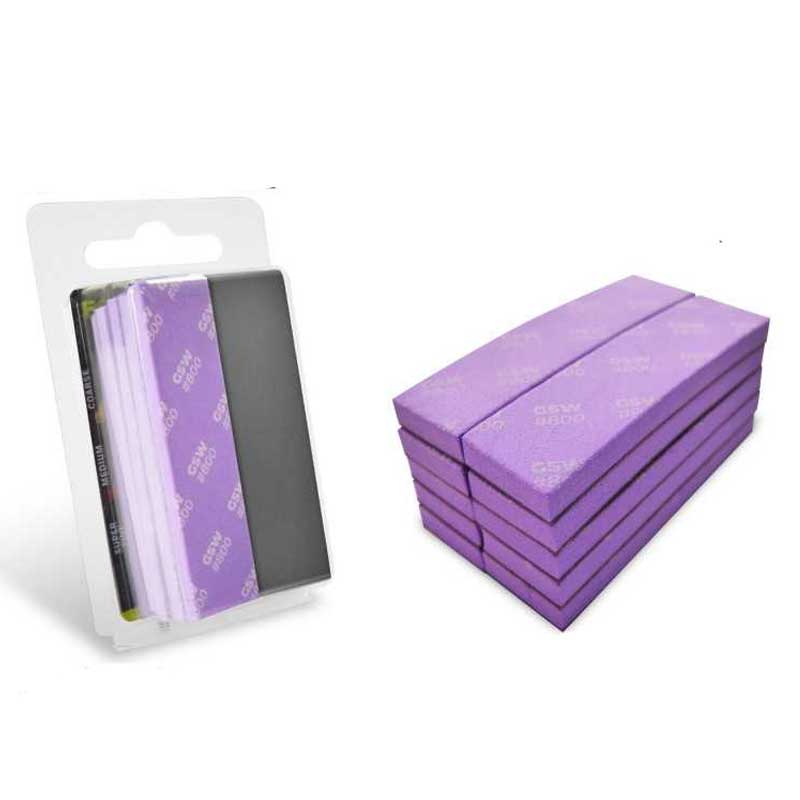
A sanding stick combines an abrasive surface with a firm or flexible backing. This makes it easier to control than loose sandpaper, particularly when working on small parts, narrow edges and curved surfaces.
Model sanding sticks can be used for:
- Removing mould seams and sprue attachment marks.
- Smoothing glued joints between kit parts.
- Levelling modelling filler and putty.
- Refining resin and plastic components.
- Preparing surfaces before primer and paint.
- Polishing clear parts and glossy finishes with suitable fine grades.
- Shaping small details without removing too much surrounding material.
The supported abrasive surface helps distribute pressure more evenly, reducing the risk of creating deep scratches or accidentally rounding off detail. This is especially useful when working on aircraft fuselages, vehicle bodywork, armour plates, figures and other parts where the final surface needs to look smooth under paint.
Choosing the Right Sanding Stick
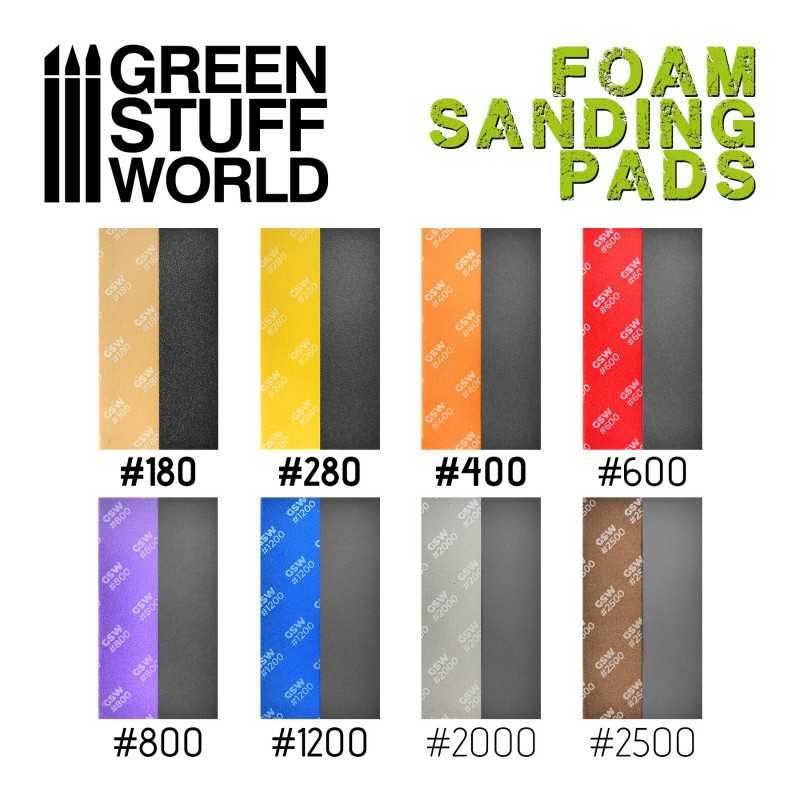
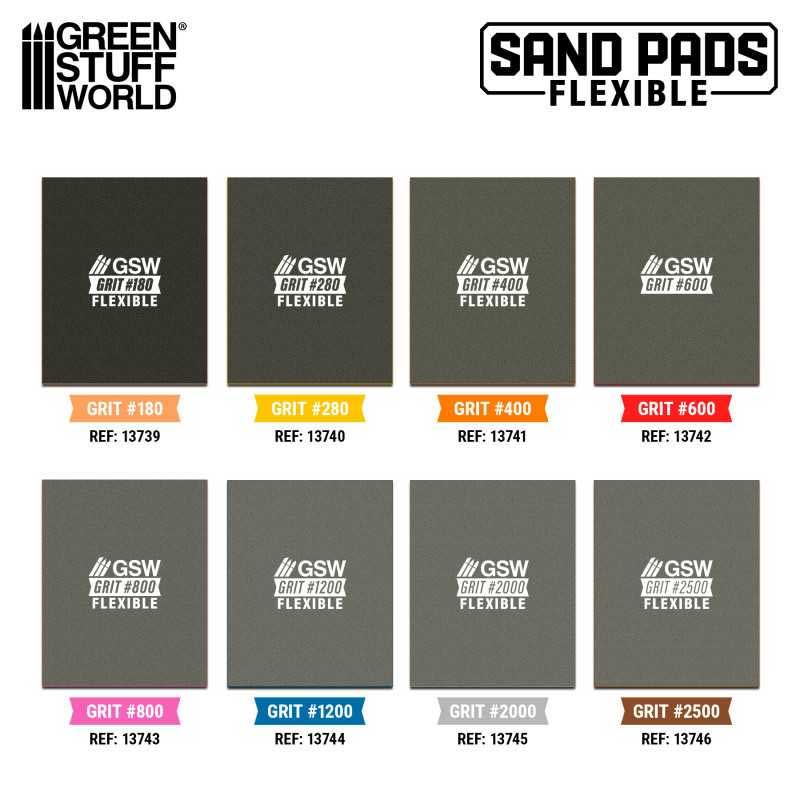
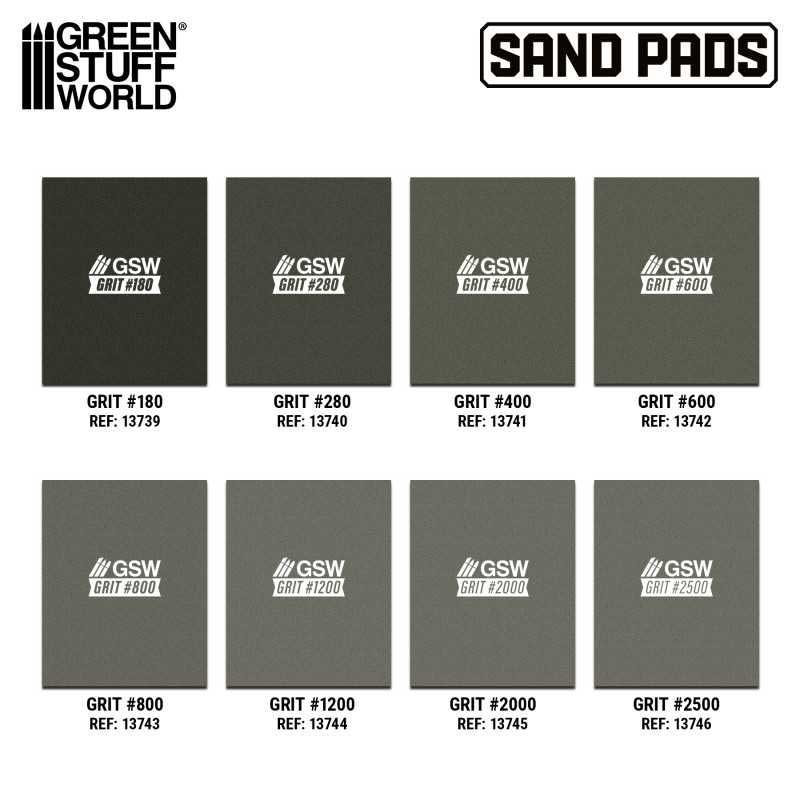
The most suitable sanding stick depends on the material, shape and stage of the project. Coarser abrasives remove material quickly, while finer grades refine scratches and prepare the surface for finishing.
Coarse Sanding
Coarser grades are useful for removing larger sprue marks, reshaping parts and levelling hardened filler. They work quickly, so use light pressure and check the surface regularly to avoid removing too much material.
Medium Sanding
Medium grades are ideal for smoothing joints after the initial shaping stage. They help remove the deeper marks left by coarse abrasives and are suitable for general seam work on plastic model kits.
Fine and Polishing Grades
Fine sanding sticks are used to refine the surface before primer or paint. Very fine and polishing grades can also help restore a smooth finish to clear parts, gloss paint and polished resin, provided the abrasive is suitable for the task.
Working progressively from a coarser grade to a finer one usually gives the best result. Skipping too many grades can leave scratches that become visible once primer or paint is applied.
Foam Sanding Sticks and Sanding Sponges
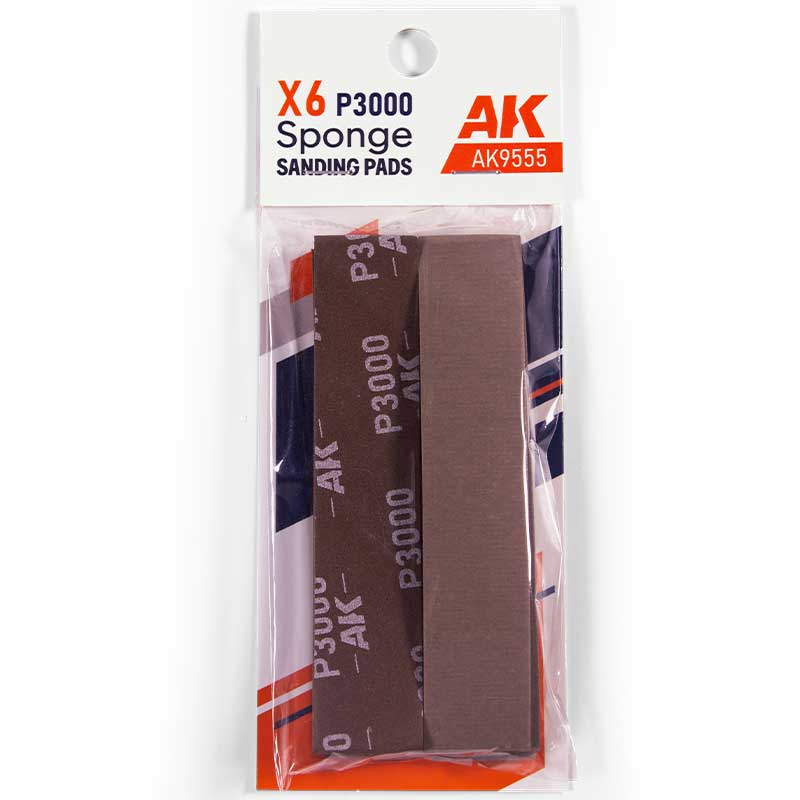
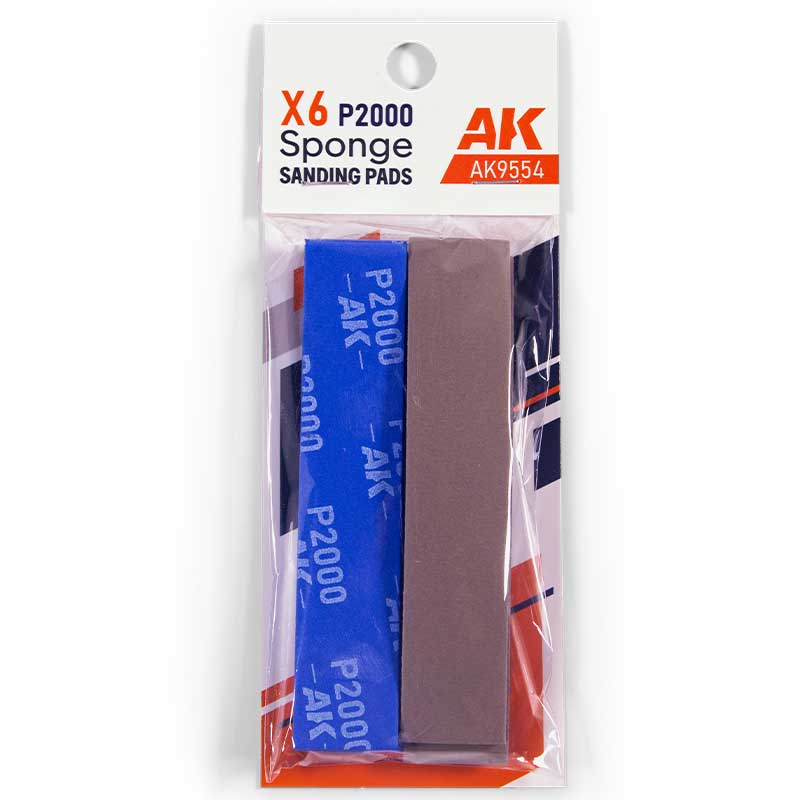
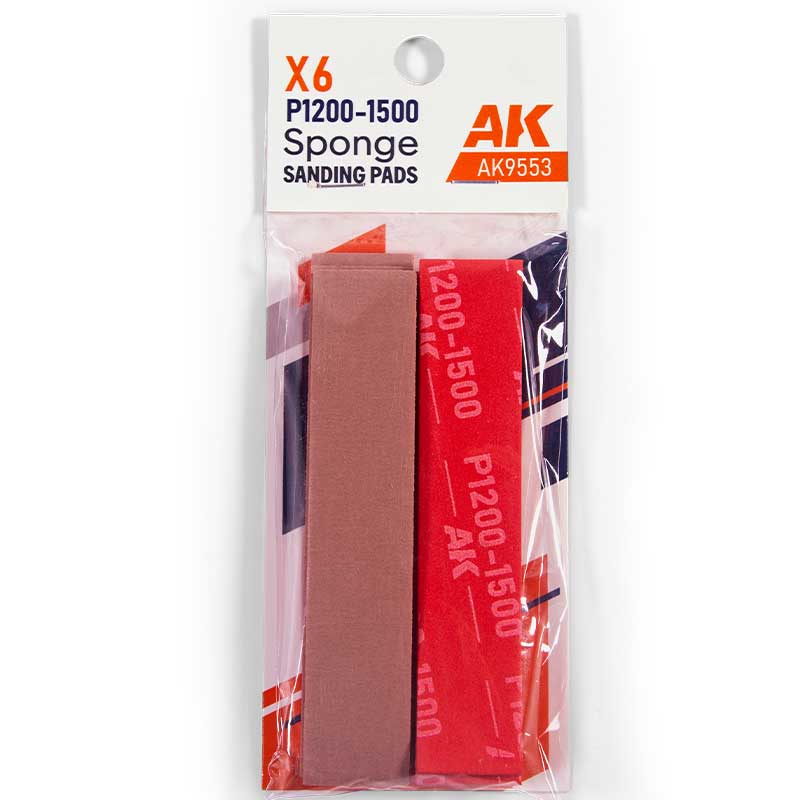
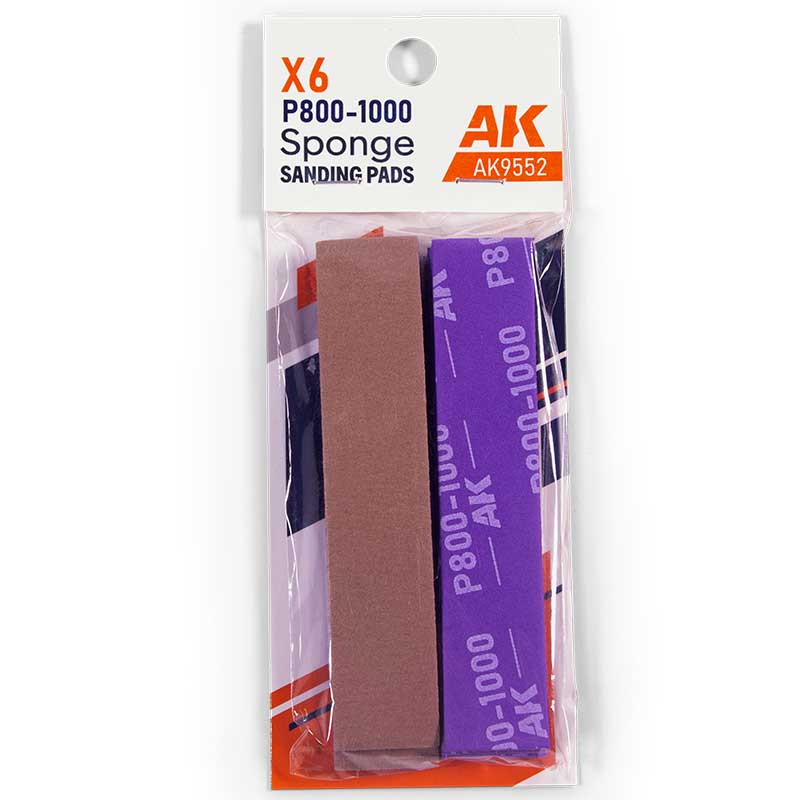
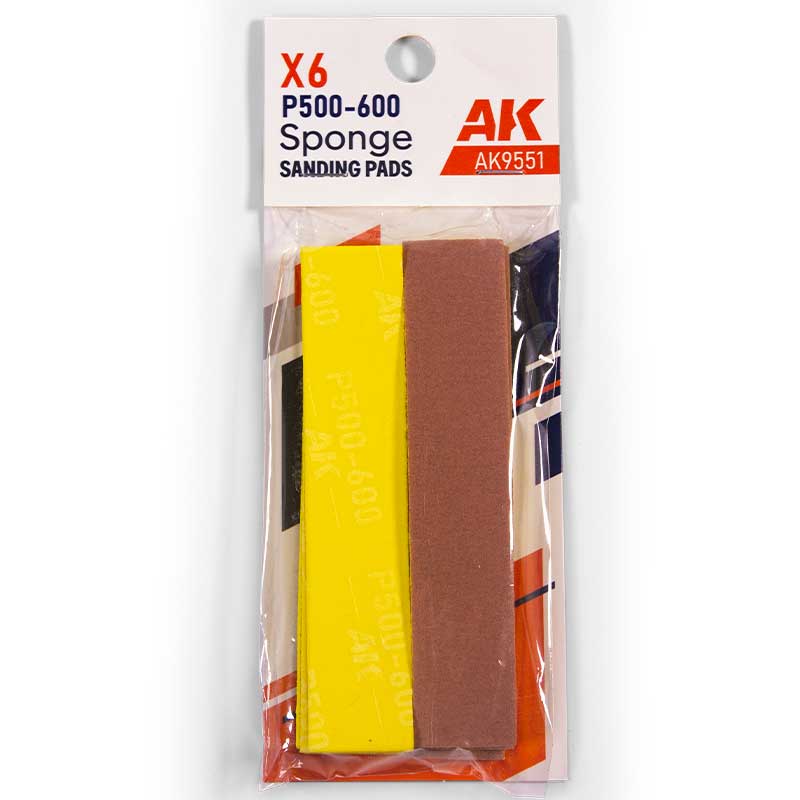
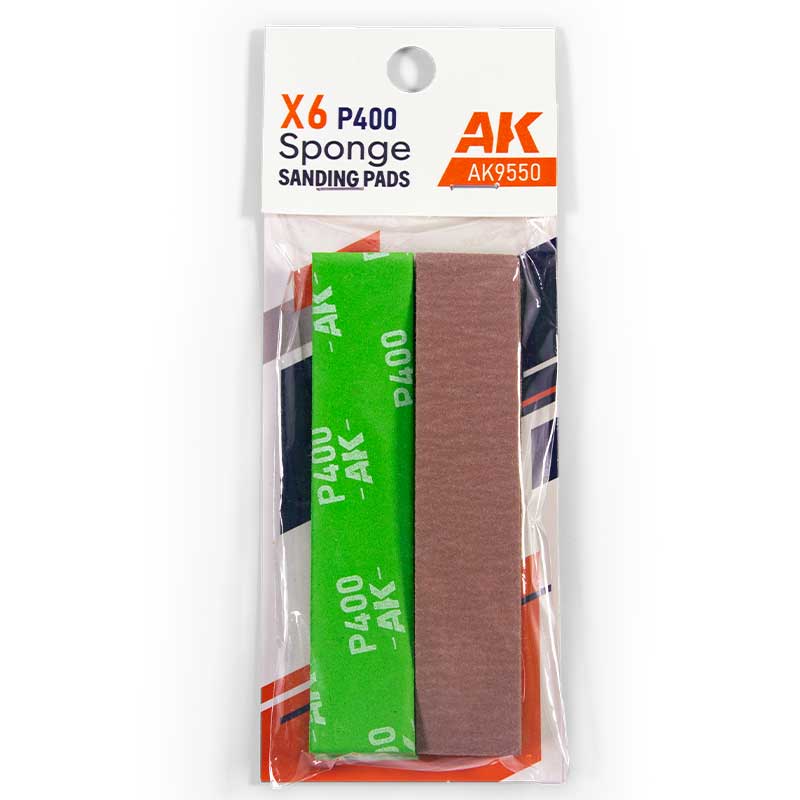
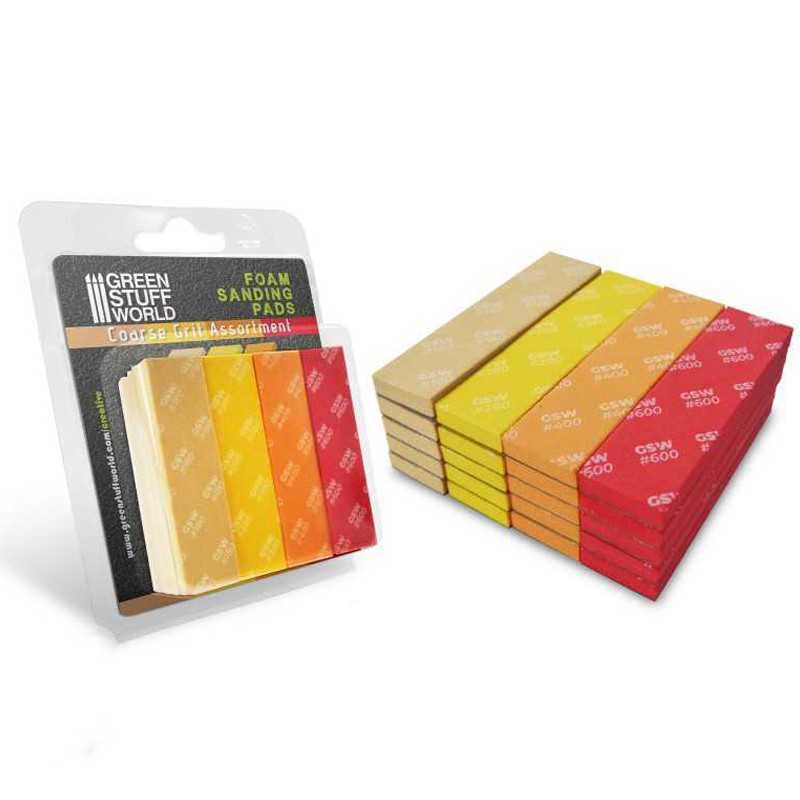
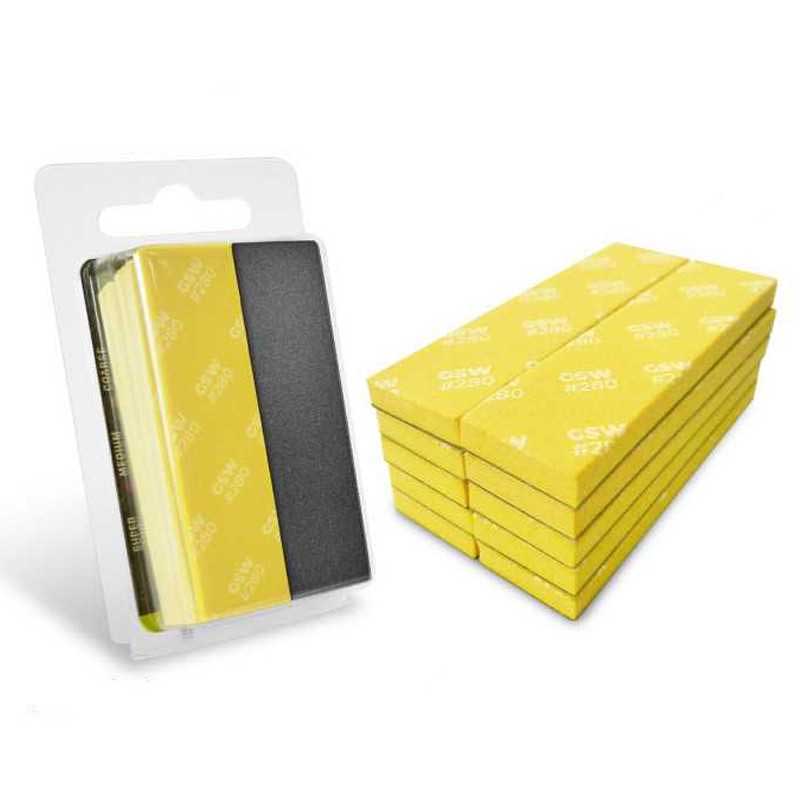
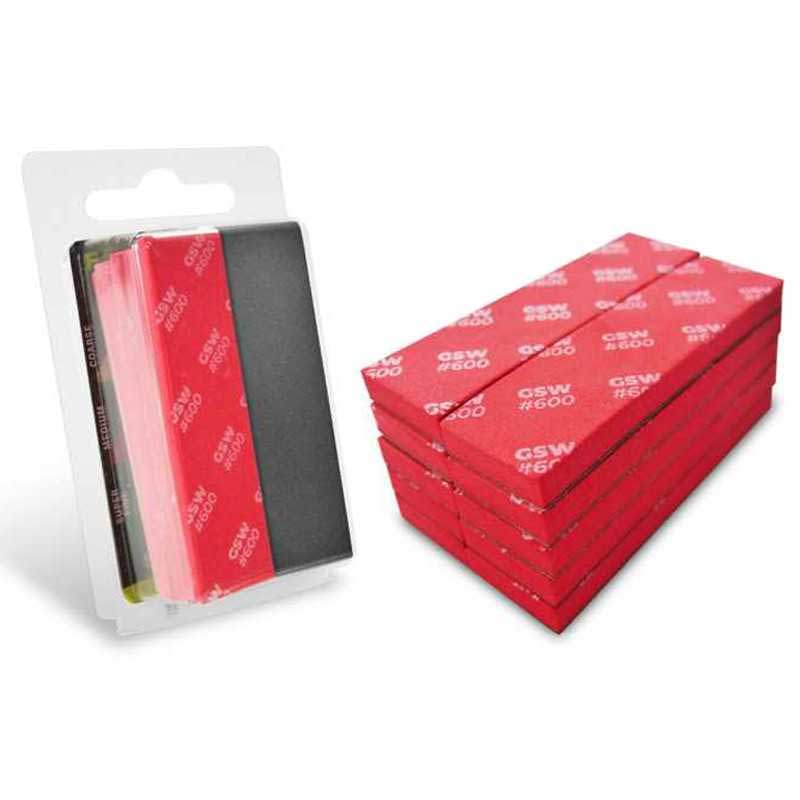
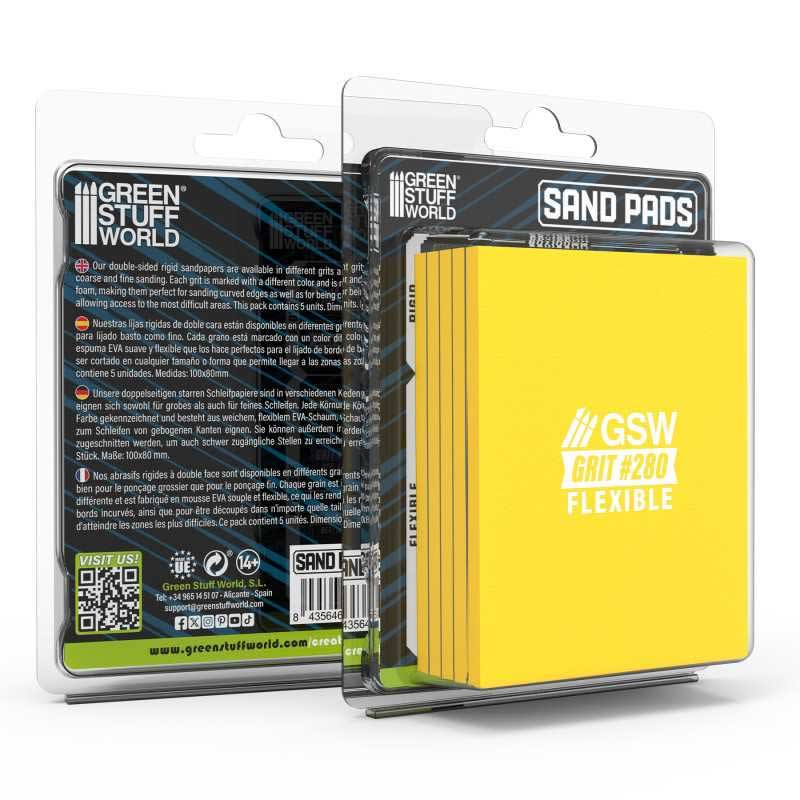
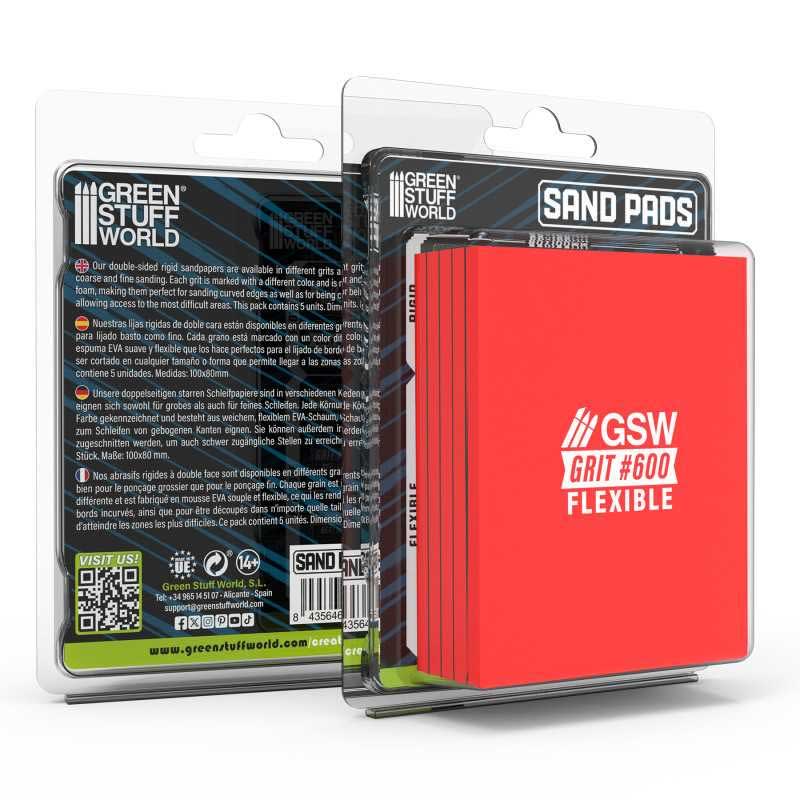
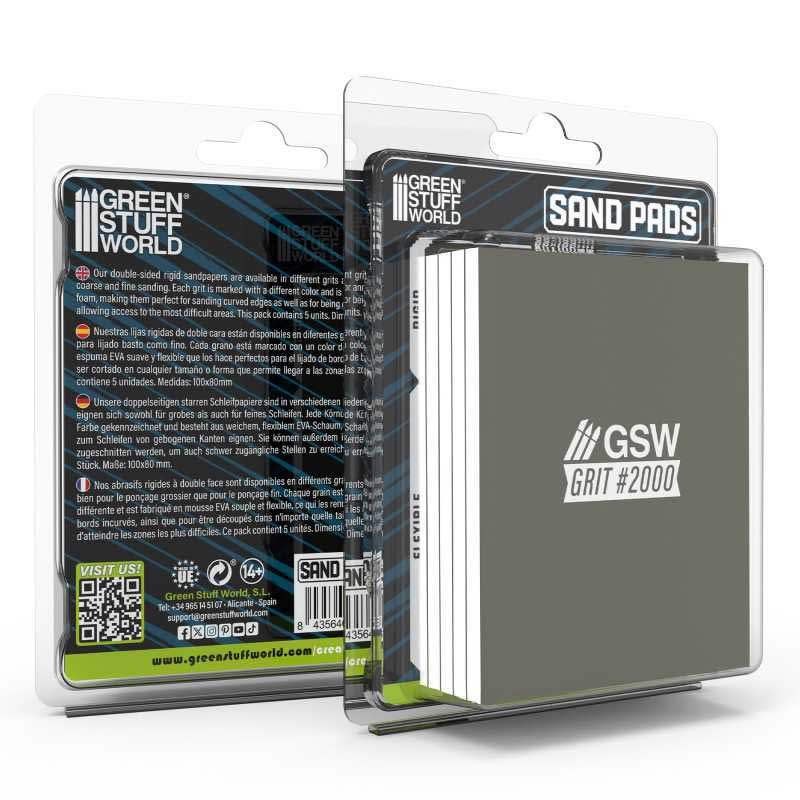
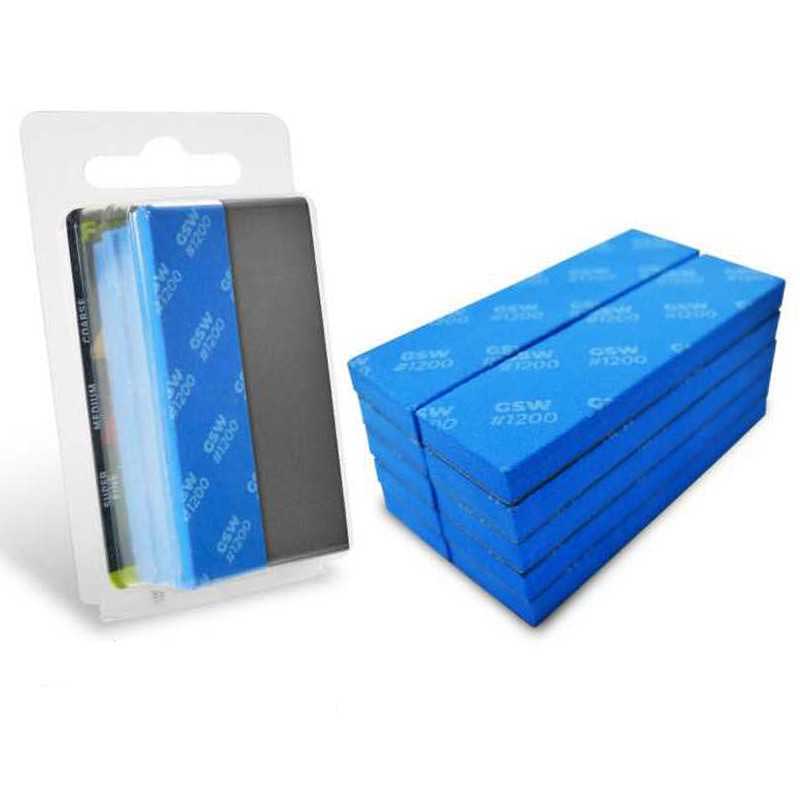
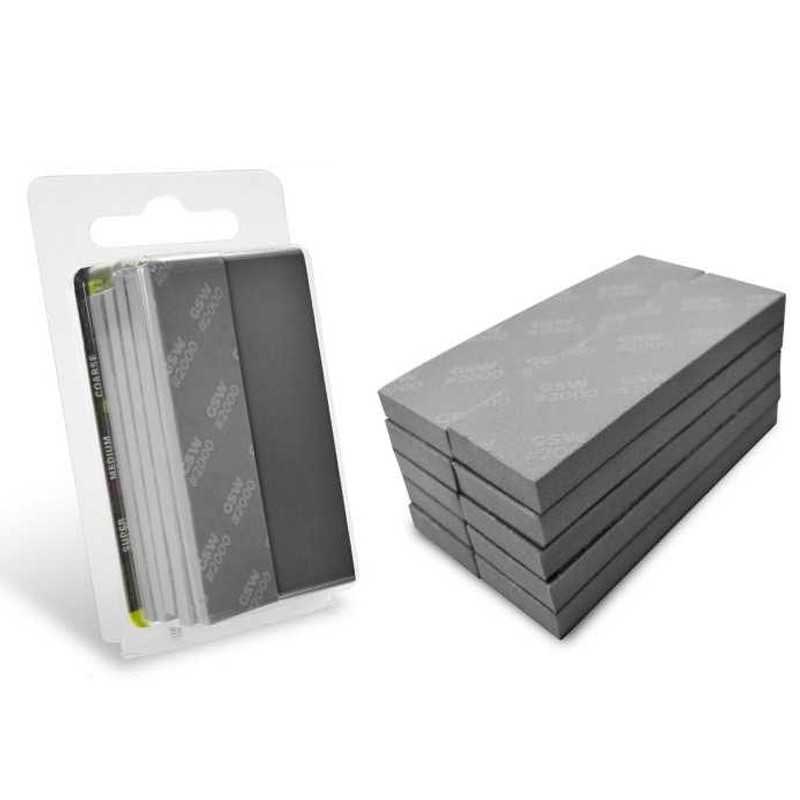
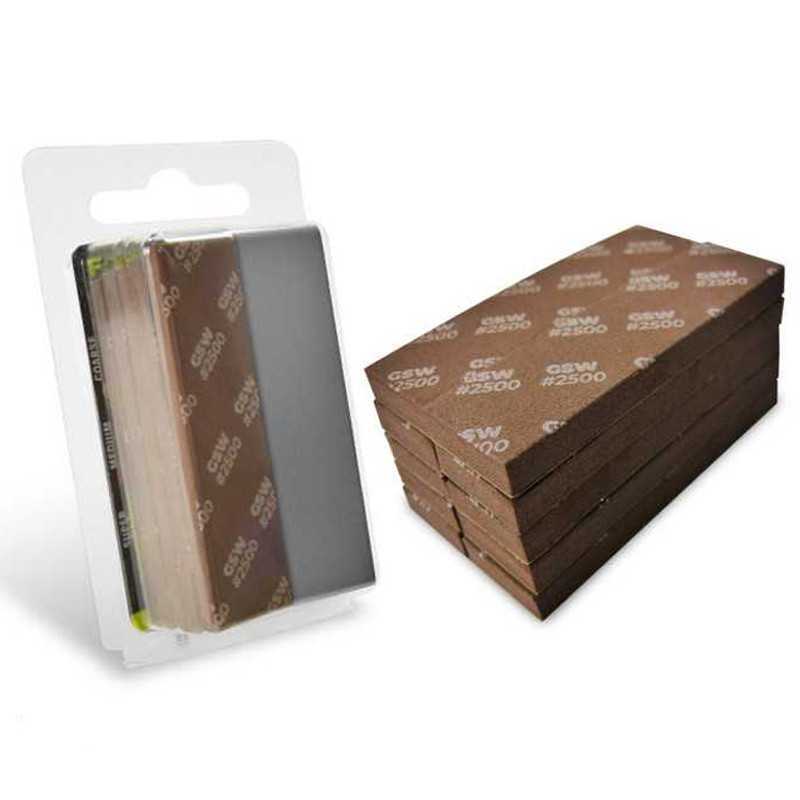
Foam sanding sticks and modelling sanding sponges have a flexible backing that follows curves and rounded surfaces more easily than a rigid file. They are particularly useful for aircraft fuselages, vehicle panels, figure contours and other shapes where a flat sanding tool may create unwanted edges.
The flexible surface allows the abrasive to maintain contact across a wider area. This can produce a more even finish, but care is still needed around raised rivets, panel lines and fine surface detail.
A firmer sanding stick is usually better for straight edges and flat joints, while a foam-backed abrasive is often preferable for curves. Keeping both types on the workbench gives you more control across different parts of the same model.
Precision Sanding for Miniatures and Small Parts
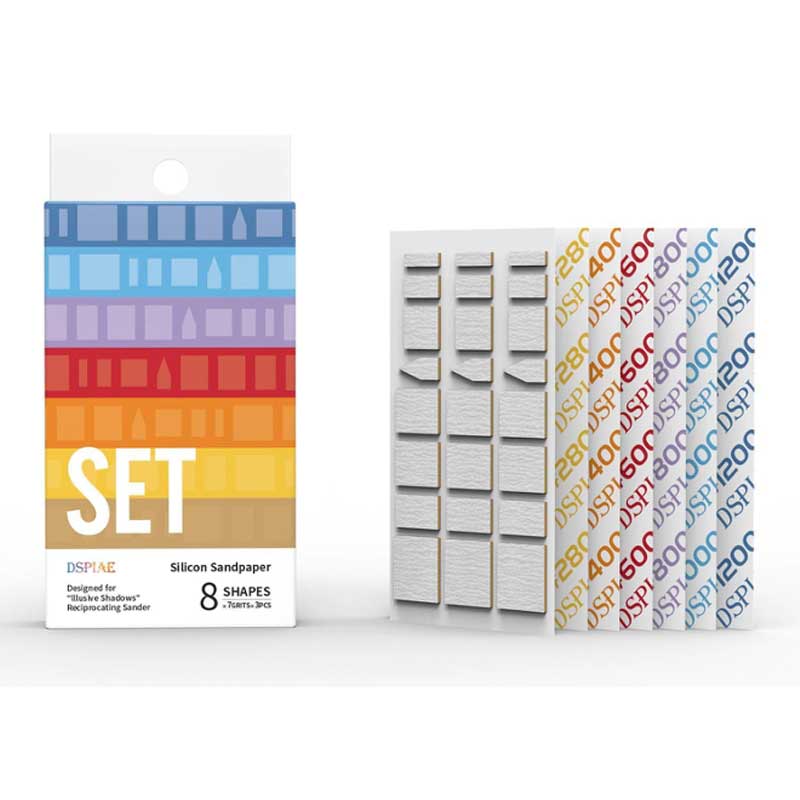
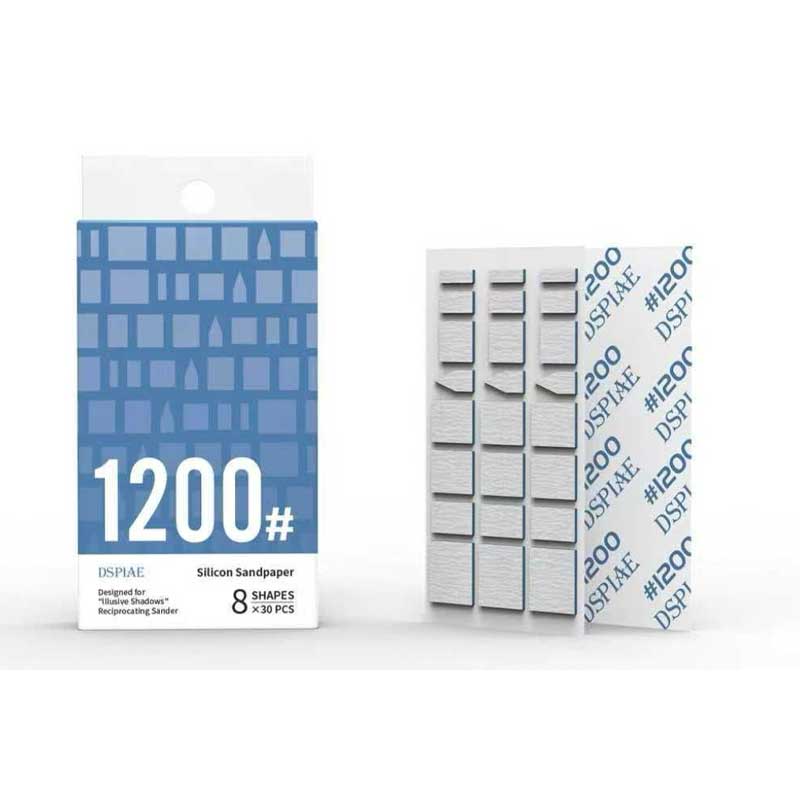
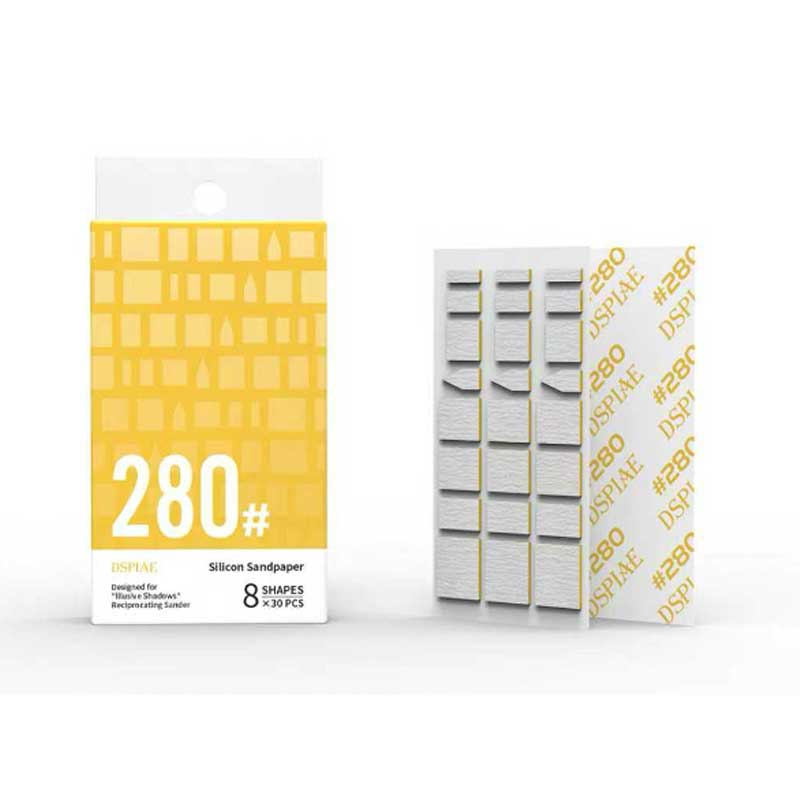
Sanding sticks for miniatures and compact precision tools are designed for areas that standard abrasives cannot reach comfortably. Narrow sanding surfaces can help clean mould lines between details, refine small resin components and prepare delicate parts without affecting the surrounding shape.
Miniature sanding tools are especially useful for figures, accessories, cockpit parts, wheel wells and tightly spaced components. Work slowly and support fragile parts while sanding to reduce the risk of bending or breaking them.
When to Use a Model Sander
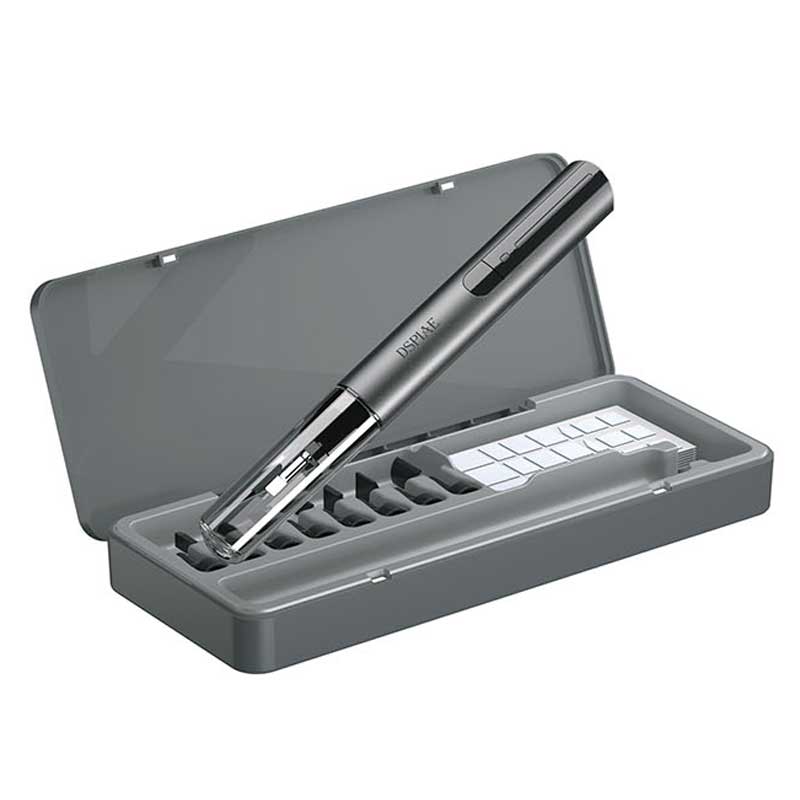
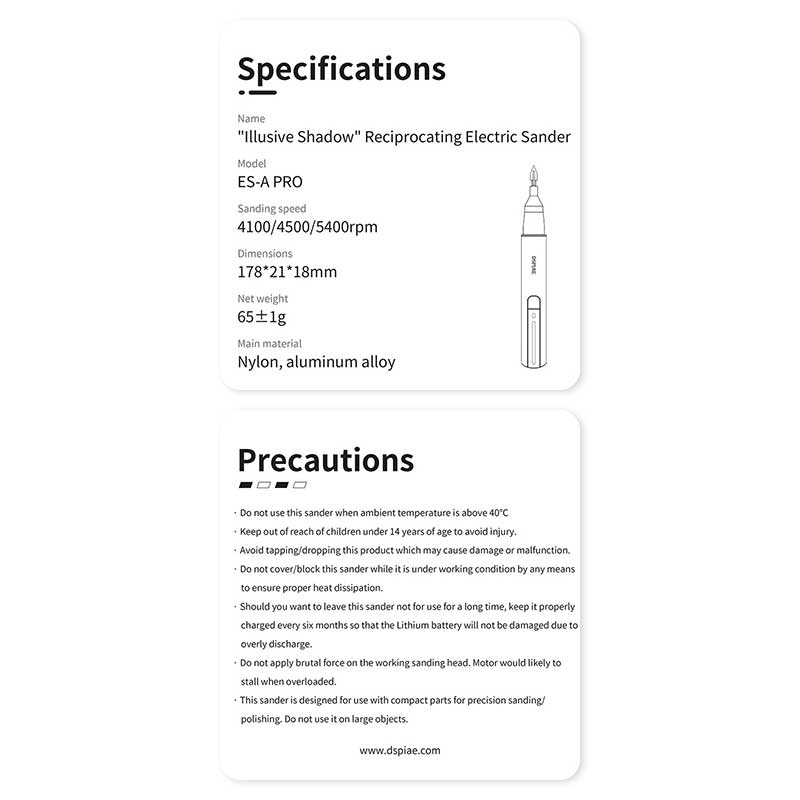
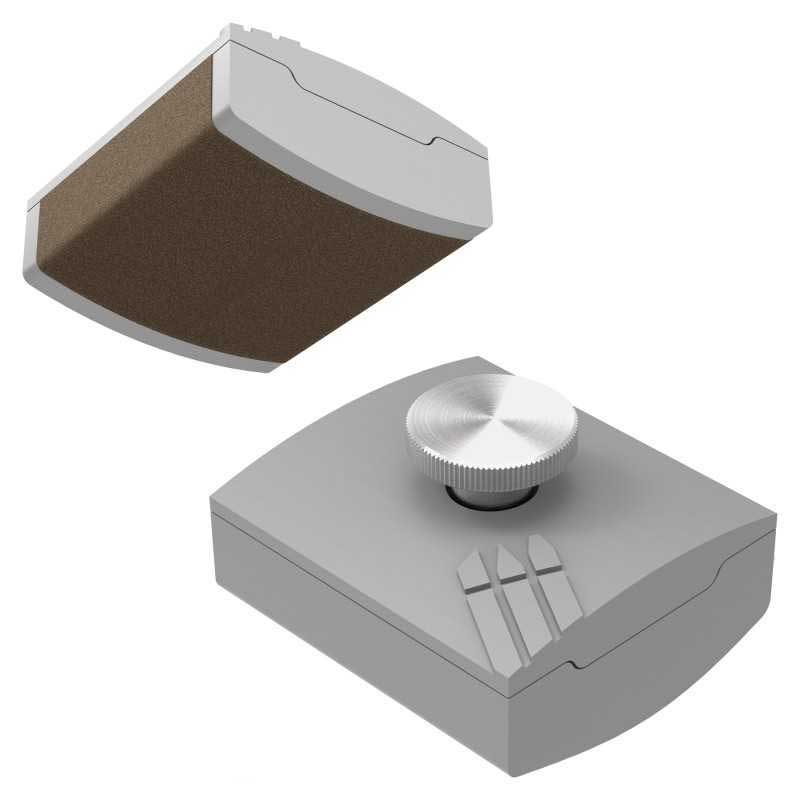
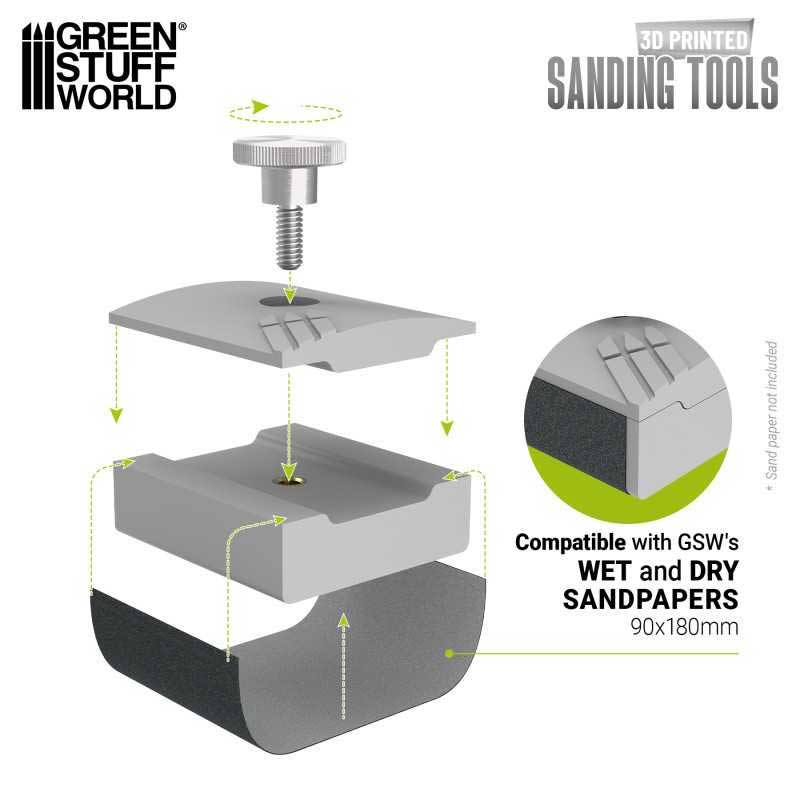
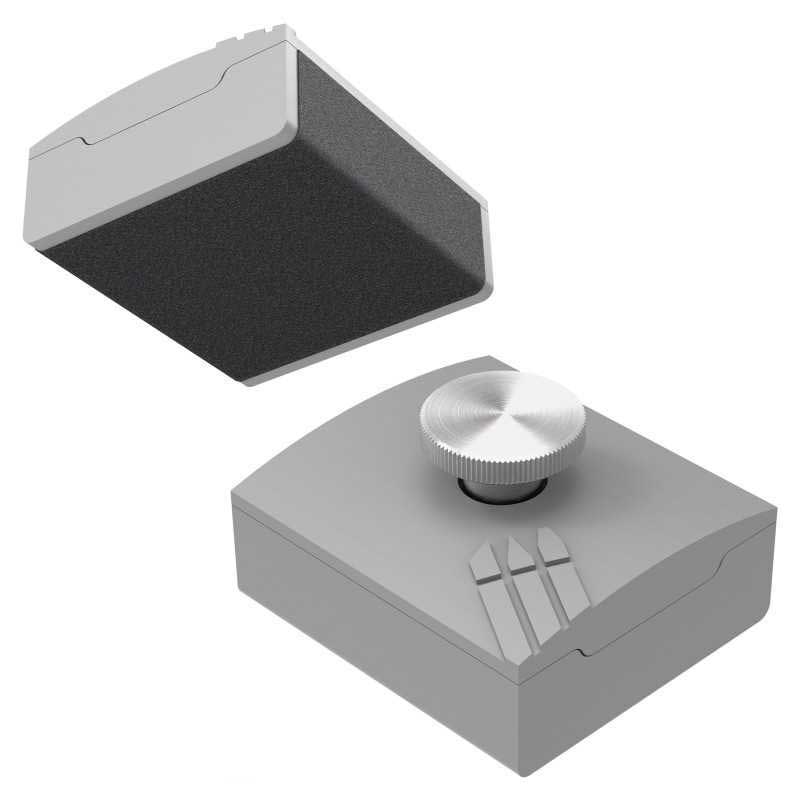
A model sander can speed up repetitive sanding and shaping, particularly on larger surfaces or when several similar parts need attention. Manual tools still offer the greatest control for fine details, but powered or specialised sanding tools can be useful for broader areas and heavier material removal.
When using any powered model sanding tool:
- Begin at a low speed where possible.
- Use light pressure and allow the abrasive to do the work.
- Keep the tool moving to avoid creating dips or excess heat.
- Practise on spare material before working on an important part.
- Switch to manual sanding for the final refinement stage.
A mini sander for model making is most effective when used as part of a wider sanding process rather than as a replacement for every hand tool.
Tips for Better Model Sanding
- Sand in a controlled direction rather than scrubbing randomly.
- Use light pressure, especially on thin plastic and resin parts.
- Check seams under strong light before applying primer.
- Use progressively finer abrasives to remove earlier scratches.
- Protect nearby raised detail with masking tape where practical.
- Replace worn abrasives when they stop cutting evenly.
- Remove sanding dust before painting or applying adhesive.
Applying a light coat of primer after sanding can reveal scratches, gaps and uneven joints that are difficult to see on bare plastic. Any remaining imperfections can then be corrected before the final paint finish is applied.
Build a Complete Modelling Tool Kit
Sanding sticks are most effective when used alongside suitable cutters, files, fillers and surface preparation products. Browse our wider range of scale modelling tools to find equipment for cutting, shaping, assembly and finishing.
Whether you need a single sanding stick for routine seam removal, flexible sanding sponges for curved surfaces or precision sanding tools for miniatures, choosing the correct abrasive will help you achieve cleaner joints, smoother paintwork and a more professional finished model.
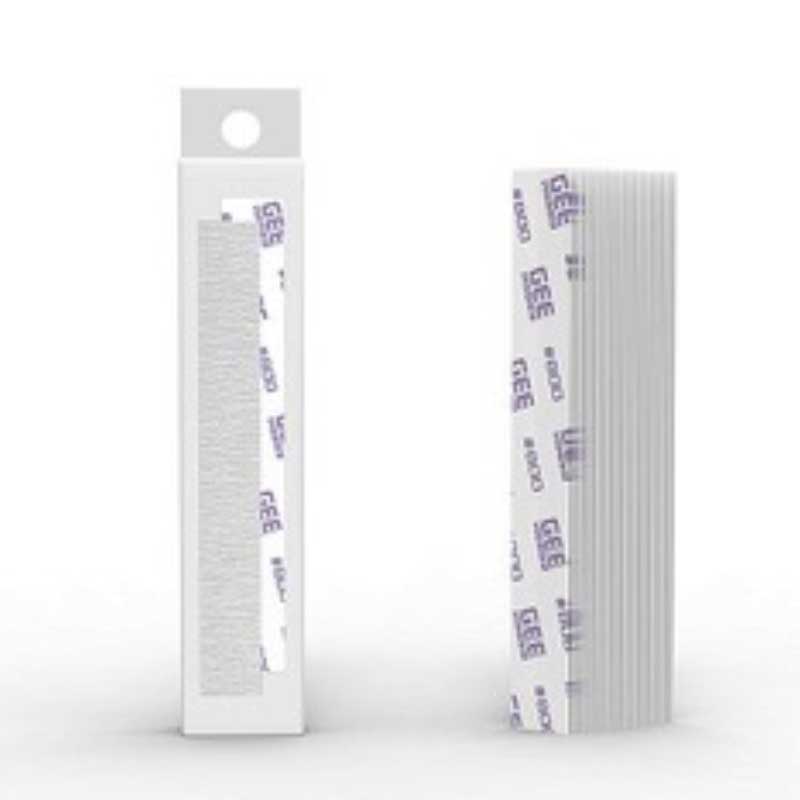
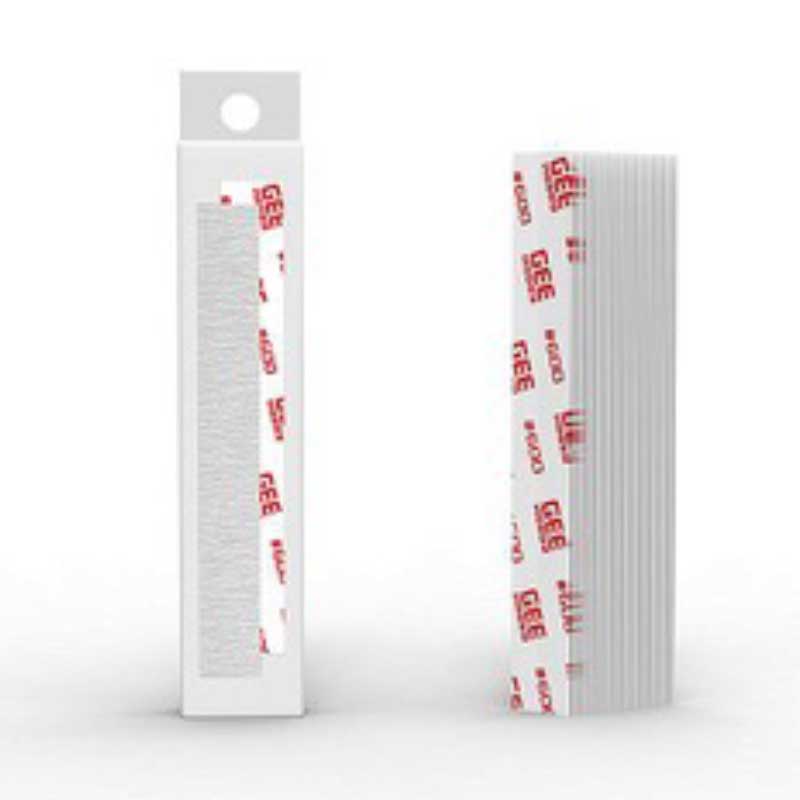
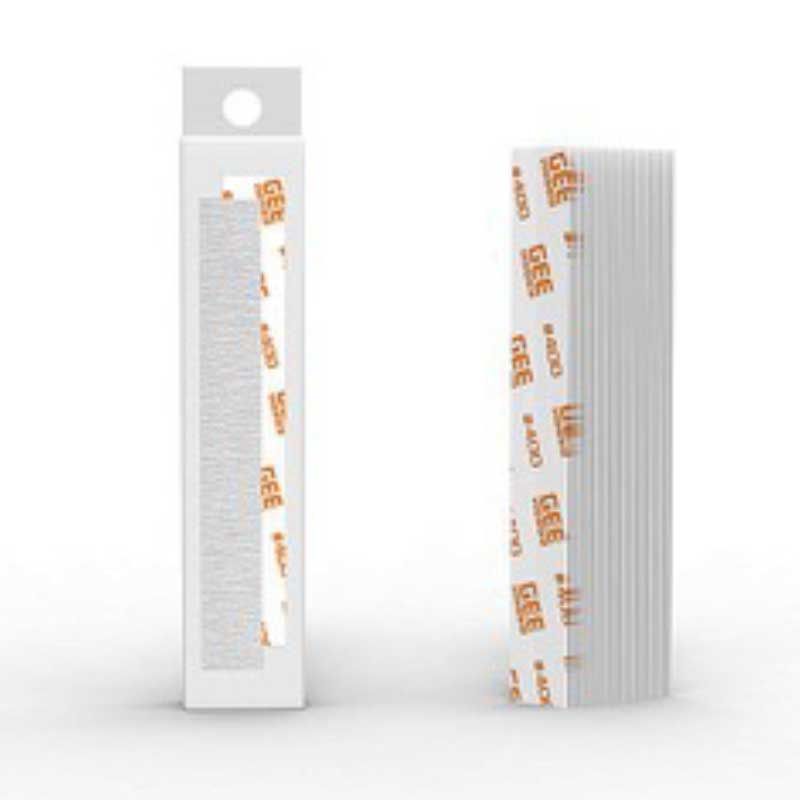
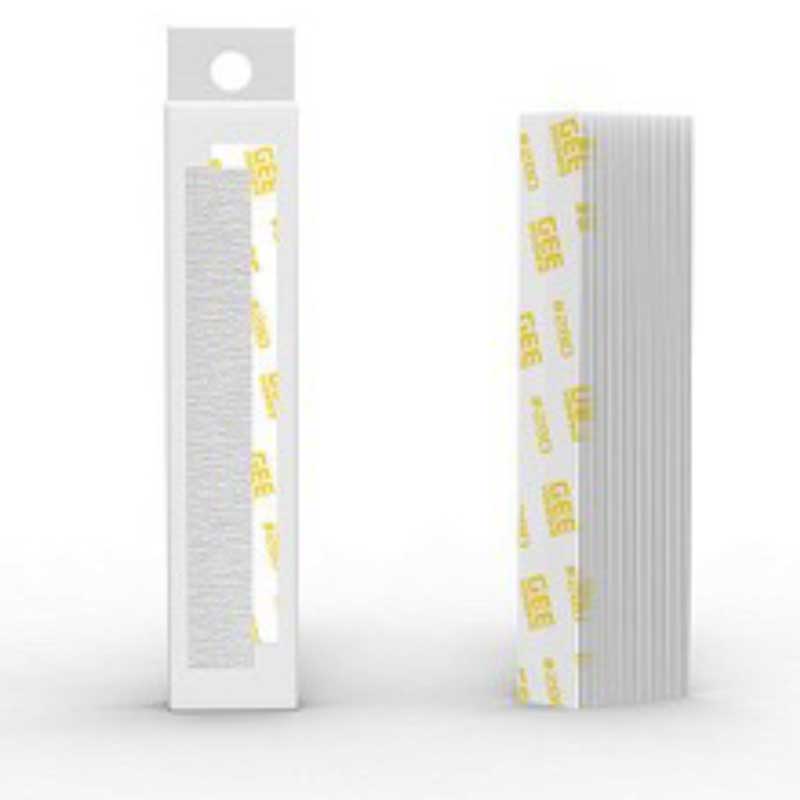



Sanding Sticks and Tools for Scale Models
Good sanding is one of the most important steps in producing a clean, convincing scale model. Whether you are removing a mould seam, levelling filler, refining a joint or preparing a surface for paint, the right model sanding tools make the job easier and give you far more control than ordinary household abrasives.
Our sanding category brings together a wide choice of sanding sticks for models, sanding sponges, precision abrasives and model sanders suited to plastic kits, resin parts, miniatures and general modelling work. With different shapes, sizes and grades available, you can choose the tool that best matches the surface and level of refinement required.
Why Use Sanding Sticks for Models?
A sanding stick combines an abrasive surface with a firm or flexible backing. This makes it easier to control than loose sandpaper, particularly when working on small parts, narrow edges and curved surfaces.
Model sanding sticks can be used for:
- Removing mould seams and sprue attachment marks.
- Smoothing glued joints between kit parts.
- Levelling modelling filler and putty.
- Refining resin and plastic components.
- Preparing surfaces before primer and paint.
- Polishing clear parts and glossy finishes with suitable fine grades.
- Shaping small details without removing too much surrounding material.
The supported abrasive surface helps distribute pressure more evenly, reducing the risk of creating deep scratches or accidentally rounding off detail. This is especially useful when working on aircraft fuselages, vehicle bodywork, armour plates, figures and other parts where the final surface needs to look smooth under paint.
Choosing the Right Sanding Stick
The most suitable sanding stick depends on the material, shape and stage of the project. Coarser abrasives remove material quickly, while finer grades refine scratches and prepare the surface for finishing.
Coarse Sanding
Coarser grades are useful for removing larger sprue marks, reshaping parts and levelling hardened filler. They work quickly, so use light pressure and check the surface regularly to avoid removing too much material.
Medium Sanding
Medium grades are ideal for smoothing joints after the initial shaping stage. They help remove the deeper marks left by coarse abrasives and are suitable for general seam work on plastic model kits.
Fine and Polishing Grades
Fine sanding sticks are used to refine the surface before primer or paint. Very fine and polishing grades can also help restore a smooth finish to clear parts, gloss paint and polished resin, provided the abrasive is suitable for the task.
Working progressively from a coarser grade to a finer one usually gives the best result. Skipping too many grades can leave scratches that become visible once primer or paint is applied.
Foam Sanding Sticks and Sanding Sponges
Foam sanding sticks and modelling sanding sponges have a flexible backing that follows curves and rounded surfaces more easily than a rigid file. They are particularly useful for aircraft fuselages, vehicle panels, figure contours and other shapes where a flat sanding tool may create unwanted edges.
The flexible surface allows the abrasive to maintain contact across a wider area. This can produce a more even finish, but care is still needed around raised rivets, panel lines and fine surface detail.
A firmer sanding stick is usually better for straight edges and flat joints, while a foam-backed abrasive is often preferable for curves. Keeping both types on the workbench gives you more control across different parts of the same model.
Precision Sanding for Miniatures and Small Parts
Sanding sticks for miniatures and compact precision tools are designed for areas that standard abrasives cannot reach comfortably. Narrow sanding surfaces can help clean mould lines between details, refine small resin components and prepare delicate parts without affecting the surrounding shape.
Miniature sanding tools are especially useful for figures, accessories, cockpit parts, wheel wells and tightly spaced components. Work slowly and support fragile parts while sanding to reduce the risk of bending or breaking them.
When to Use a Model Sander
A model sander can speed up repetitive sanding and shaping, particularly on larger surfaces or when several similar parts need attention. Manual tools still offer the greatest control for fine details, but powered or specialised sanding tools can be useful for broader areas and heavier material removal.
When using any powered model sanding tool:
- Begin at a low speed where possible.
- Use light pressure and allow the abrasive to do the work.
- Keep the tool moving to avoid creating dips or excess heat.
- Practise on spare material before working on an important part.
- Switch to manual sanding for the final refinement stage.
A mini sander for model making is most effective when used as part of a wider sanding process rather than as a replacement for every hand tool.
Tips for Better Model Sanding
- Sand in a controlled direction rather than scrubbing randomly.
- Use light pressure, especially on thin plastic and resin parts.
- Check seams under strong light before applying primer.
- Use progressively finer abrasives to remove earlier scratches.
- Protect nearby raised detail with masking tape where practical.
- Replace worn abrasives when they stop cutting evenly.
- Remove sanding dust before painting or applying adhesive.
Applying a light coat of primer after sanding can reveal scratches, gaps and uneven joints that are difficult to see on bare plastic. Any remaining imperfections can then be corrected before the final paint finish is applied.
Build a Complete Modelling Tool Kit
Sanding sticks are most effective when used alongside suitable cutters, files, fillers and surface preparation products. Browse our wider range of scale modelling tools to find equipment for cutting, shaping, assembly and finishing.
Whether you need a single sanding stick for routine seam removal, flexible sanding sponges for curved surfaces or precision sanding tools for miniatures, choosing the correct abrasive will help you achieve cleaner joints, smoother paintwork and a more professional finished model.