
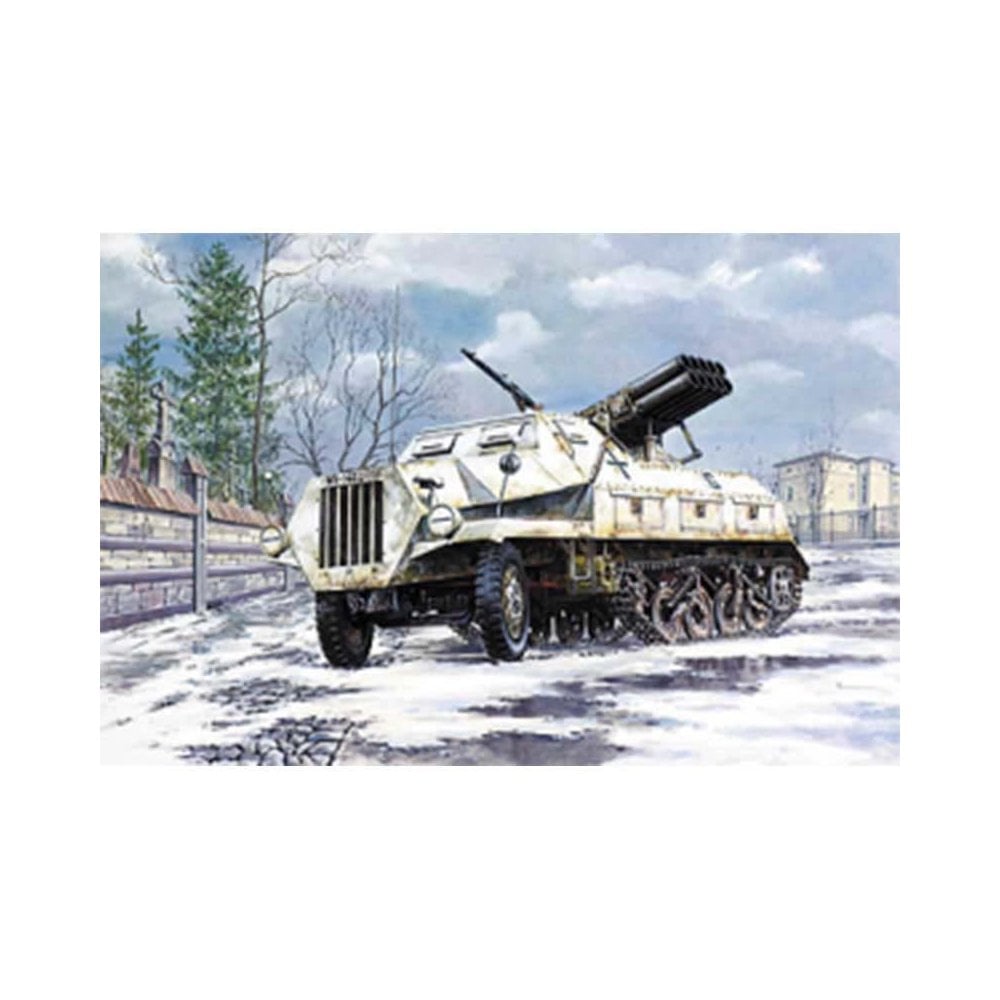
1/72 Sd.Kfz.4/1 Panzerwerfer 42 (Early) Roden 712On the night of July 14th, 1941 less than a month after the beginning of the Eastern Campaign near the Soviet city of Orsha, German troops felt the power of a terrifying unknown weapon, which seemed like a flaming tornado destroying everything in its path. It was the first application of multiple rocket fire from the BM-13, better known by its familiar name of “Katyusha”. It is paradoxical, but before the war’s beginning the German army also had similar weapons designed by the engineer Rudolf Nebel, who conducted his first experiments with rocket weapons during WWI. The 15cm Nb.W.41 rocket launcher had been part of the Wehrmacht’s armament for several years. It was mounted on an ordinary 37mm PAK36 gun chassis and was a six-barrel launcher of 158.5 mm caliber. A captured BM-13 of the Soviet Army on a ZIS-6 car chassis prompted the German high command to consider producing similar weapons. It main advantage would be in mobility and protection of the firing operation in battlefield conditions, ie. the mobile chassis should be armored. The choice of the military fell on the famous Opel Maultier half-track, which had already proved its great effectiveness on the rough roads of the Eastern Front.The prototype was built in early 1943, designed simultaneously as a vehicle fitted with a ten-barrel rocket launcher, and a transporter of ammunition for it (because a full set of rockets took up considerable volume, only 10 additional rounds were carried by the firing vehicle). The transporter could carry up to thirty rounds for the launcher. The Opel Maultier’s chassis was surmounted by an armored body of varying thickness on all sides, and the launcher was mounted to the rear of the body, capable of firing in a horizontal arc of 270 degrees.One difference from the Soviet BM-13 was that there was no need for the crew to withdraw from the vehicle during rocket firing – they simply sheltered inside the body. If necessary, the crew of four men could quickly leave the car through the back door, and when the car was in motion, the driver viewed the surrounding area through narrow openings in the front armored shield.The gunner who was sitting on a movable seat operated the firing,directly beneath the launcher. The commander of the car was also its radio operator, while two other men drove the vehicle, and loaded the launcher. In combat the armored car, given its official name of Sd.Kfz. 4/1 Panzerwerfer 42, could provide some defense against enemy infantry using its MG-34 7.92mm caliber machine gun.In another difference from earlier Soviet developments of salvo firing systems, the Germans could significantly increase the accurate concentration of fire from the Sd.Kfz.4/1 Panzerwerfer 42 because the rockets’ exhaust nozzles were directed at an angle to their longitudinal axis. During firing the projectile was spun by the powder propellant and this rotation around its own axis made its flight more stable.The first use of the Sd.Kfz.4/1 Panzerwerfer 42 in battle took place in April 1943 and was a very unpleasant surprise for the Soviet Army. In comparison with the BM-13, the German salvo fire system produced fewer shots in a given period, but its efficiency was much higher. Captured during the Battle of Kursk, the Sd.Kfz. 4/1 Panzerwerfer 42 was immediately taken to Moscow to have its rocket firing systems studied by leading Soviet engineers. This data proved useful in developing a successor to the BM-13, the large caliber system BM-24. Soviet soldiersgave this somewhat ungainly vehicle the nickname “Vanyusha” (by analogy to the BM-13 “Katyusha”).Overall, during 1943-1944 German factories produced about 300 examples of the Sd.Kfz. 4/1 Panzerwerfer 42, and more than 250 Munitionskraftwagen ammunition transporters for the Sd.Kfz.4/1. Compared with several thousand Soviet BM-13 and BM-24 “Stalin Organs”, this is a rather small number, and of course the Sd.Kfz.4/1 Panzerwerfer 42 had no major impact on the course of the war, but the many technical innovations of this vehicle allow it its place in the history of rocket weapons of the twentieth century.PerformancesOverall length 6145mmOverall width 2240mmOverall height 2500mmMaximum speed 40km/hArmor 8-10mmRange 130kmCrew 4 menArmament 10 PC 158mm, MG34 or MG32 machine gun
Original price was: £11.00.£9.90Current price is: £9.90.
1/72 Sd.Kfz.4/1 Panzerwerfer 42 (Early) Roden 712
Out of stock

Delivery Information
| Service | Estimated Delivery Time |
|---|---|
| Royal Mail Standard | Aim for 2–3 working days |
| Royal Mail LQ | Aim for 2-3 working days |
| Royal Mail Express | Aim for 1–2 working days |
| APC Courier | Aim for next working day |
| APC orders sent on a Friday will be delivered Monday | |
| Free Delivery (£60+) | 2–6 working days (conditions apply) |
Working days are Monday to Friday. Delivery times are estimates and are not guaranteed.
We aim to dispatch all orders received before 12 pm on the same working day whenever possible, excluding Mondays and the first working day after a bank holiday.
Limited Quantity Shipping
Some products are classified as limited quantity (LQ) items, such as aerosols or certain flammable liquids. These products can only be sent via shipping services that allow limited-quantity shipments.
- Only compatible shipping services will be available at checkout
- Some Royal Mail and courier services may be unavailable
- Delivery options will automatically adjust depending on the contents of your order
- Some destinations may be excluded due to carrier restrictions
Free Delivery Terms
- Applies to orders over £60 under 2kg within Royal Mail size limits
- Orders between £60–£75 that include oversized or restricted items may incur a delivery charge
- Orders over £75 qualify for free delivery to selected mainland UK postcodes
- Some delivery restrictions may apply depending on product type and destination
Courier delivery exclusions:
- Scottish Highlands – AB36–38, FK17–21, IV1–39, IV52–54, IV63, KW1–14, PA21–40, PA80, PH19–26, PH30–41, PH49–50
- Scottish Islands – HS1–9, IV40–51, IV55–56, KA27–28, KW15–17, PA20, PA41–49, PA60–78, PH42–44, ZE1–3
Discover more from this range
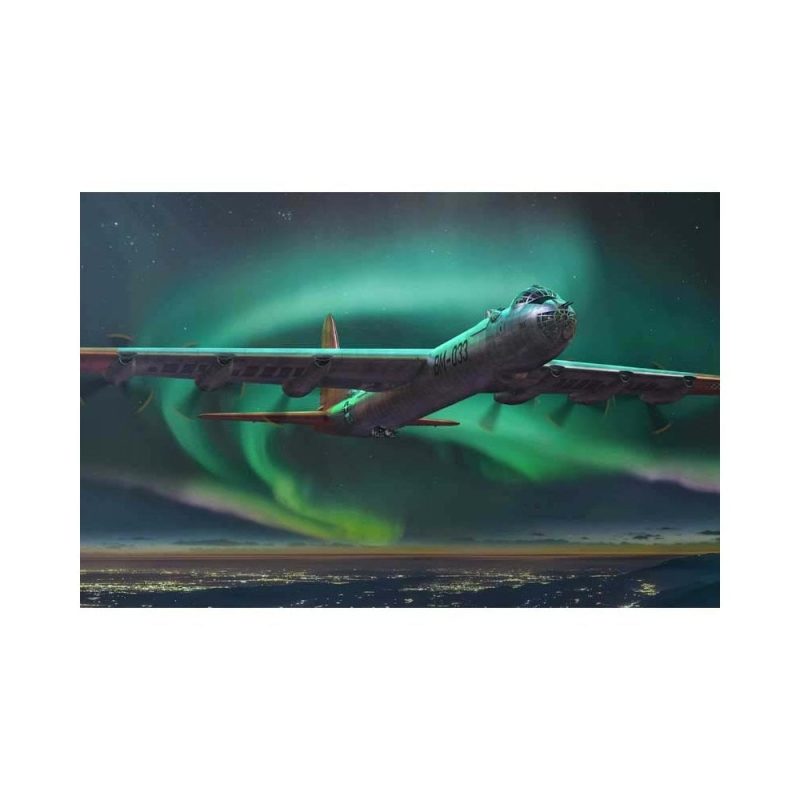
1/144 Convair B-36B Peacemaker Early Version Roden 347
Original price was: £69.99.£62.99Current price is: £62.99.
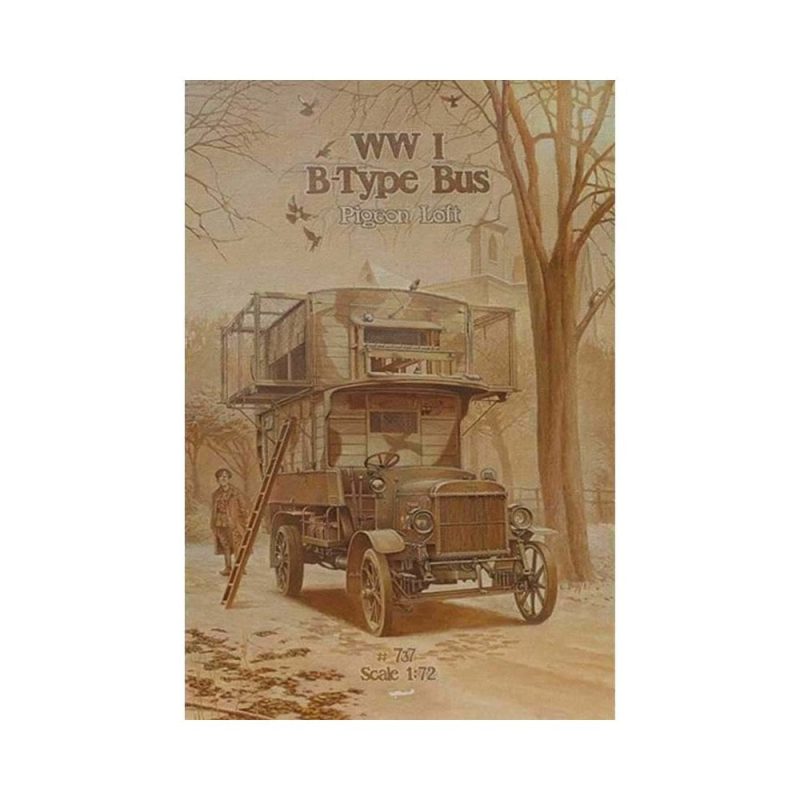
1/72 WWI Type B Omnibus Pigeon Loft Roden 737
Original price was: £17.99.£16.19Current price is: £16.19.
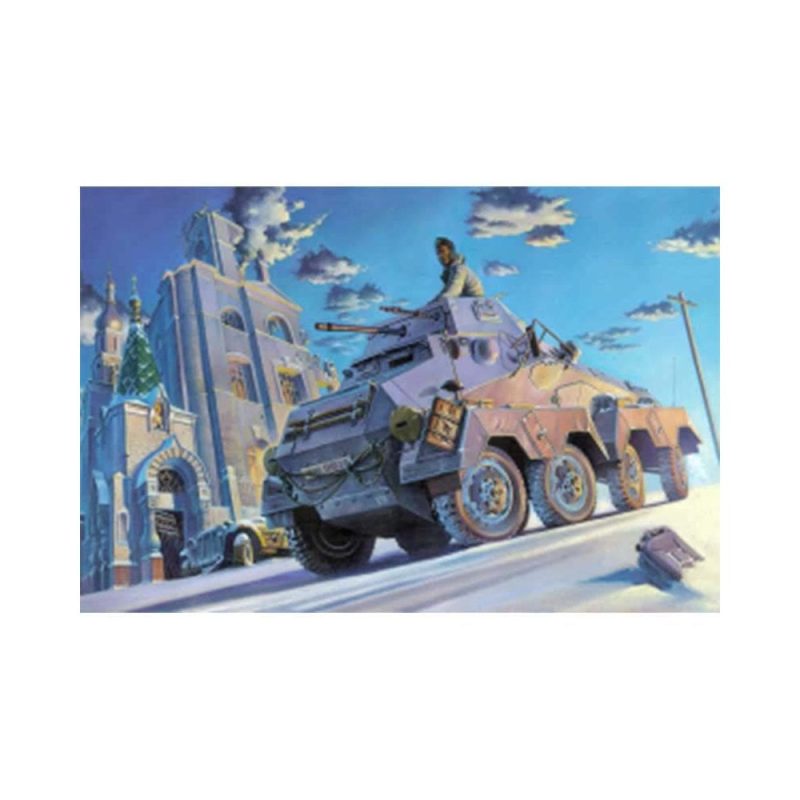
1/72 Sd.Kfz.231 Roden 702
Original price was: £7.99.£7.19Current price is: £7.19.
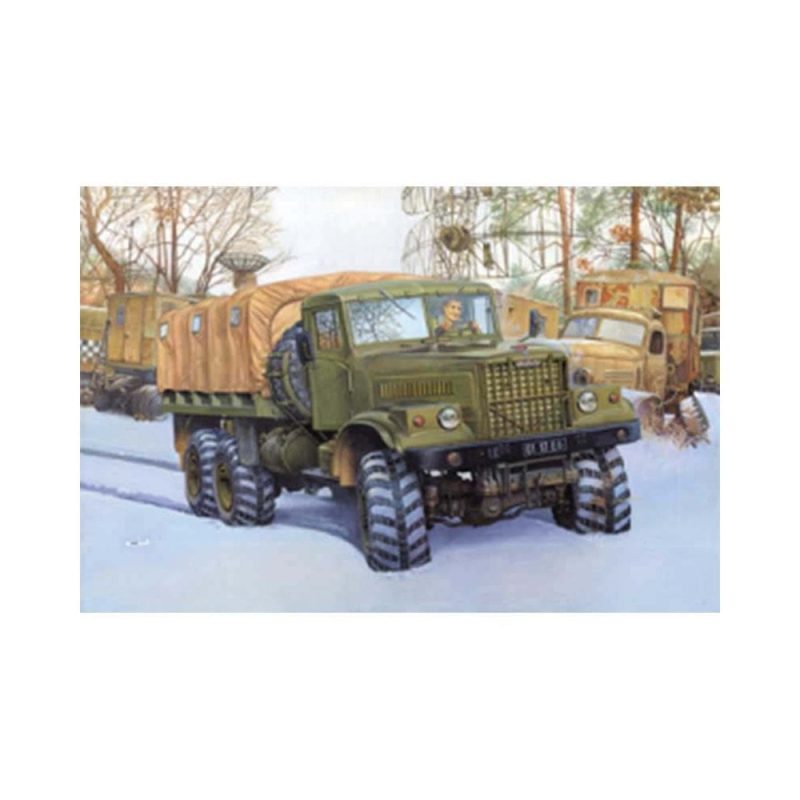
1/35 Kraz-255B Roden 805
Original price was: £41.99.£37.79Current price is: £37.79.
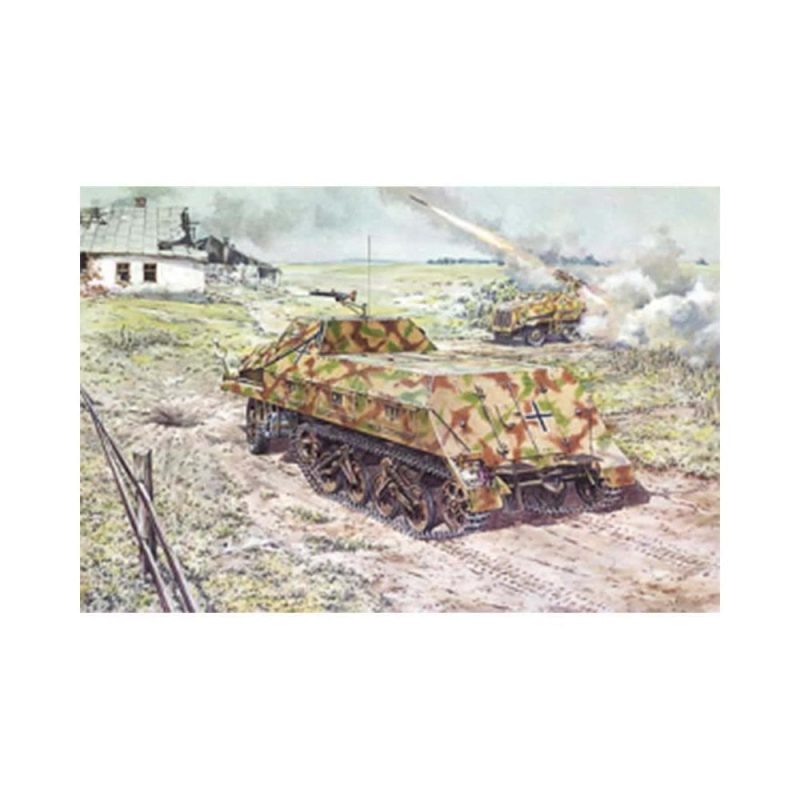
1/72 Sd.Kfz. 4/11 Panzerwerfer 42 Roden 722
Original price was: £11.00.£9.90Current price is: £9.90.
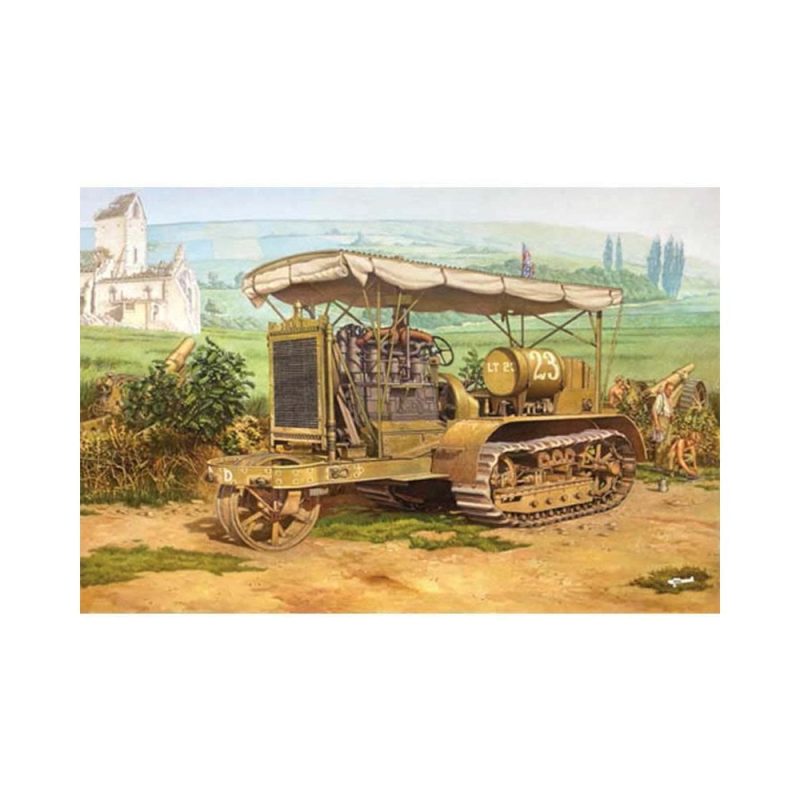
1/35 Holt 75 Artillery Tractor Roden 812
Original price was: £40.00.£36.00Current price is: £36.00.