
Styrene Sheets and Plastic for Scale Modelling
Explore styrene sheets, plastic card, rods, strips and structural profiles for scratchbuilding, detailing and custom scale-modelling projects. The range includes products from Evergreen, Maquett, AK Interactive and DSPIAE, with different shapes, thicknesses and pack formats represented.
These modelling plastics provide useful starting materials when creating new components, replacing details or adapting an existing build. The category covers flat sheet alongside round rod, square rod, round tube, angle, half-round and hexagonal profiles, making it easier to choose a form suited to the part being planned.
Styrene Sheet and Plastic Card for Modelling
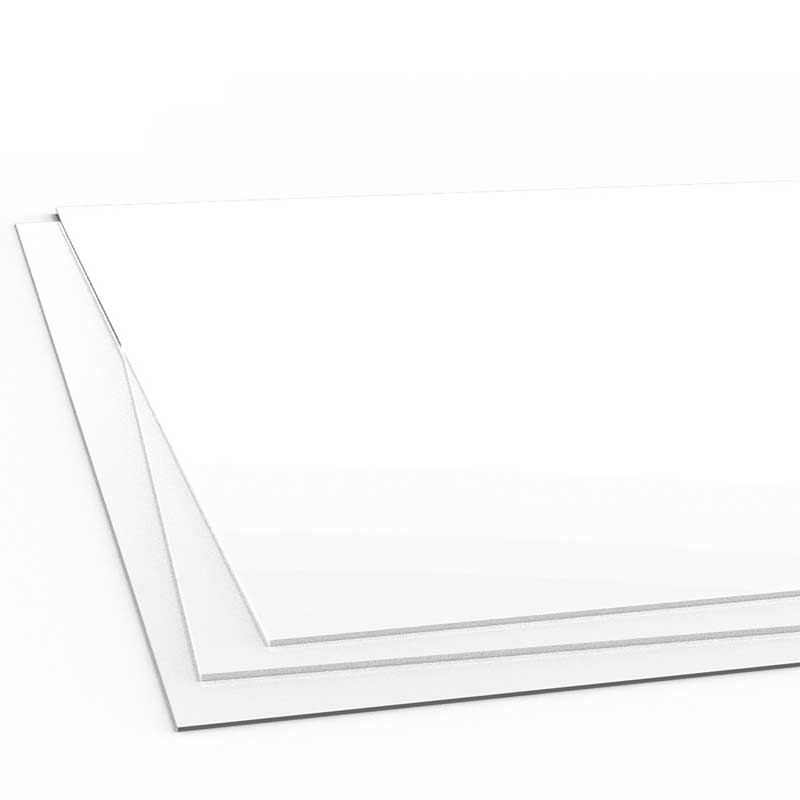
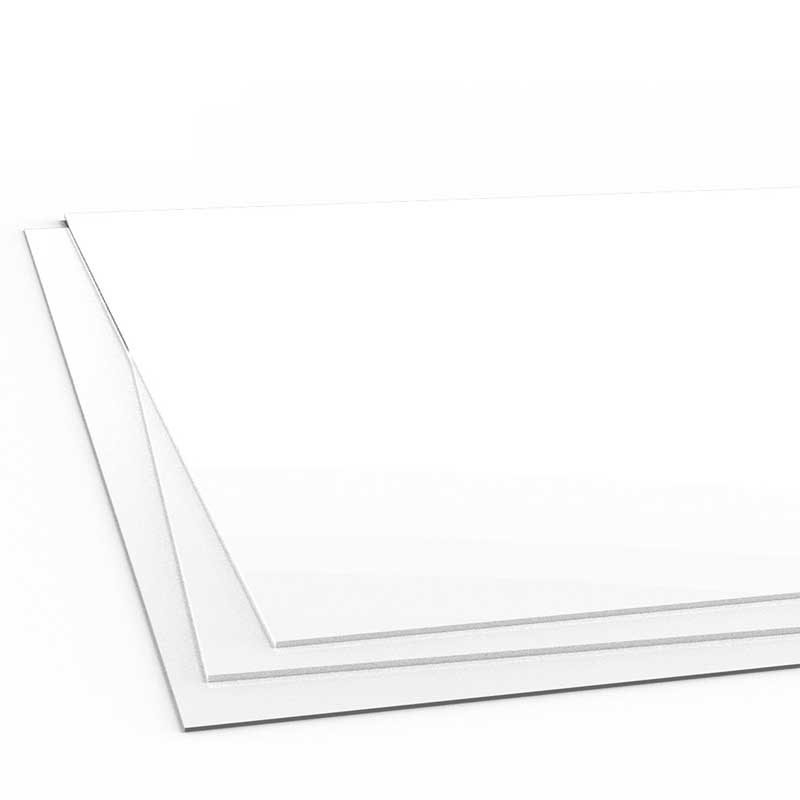
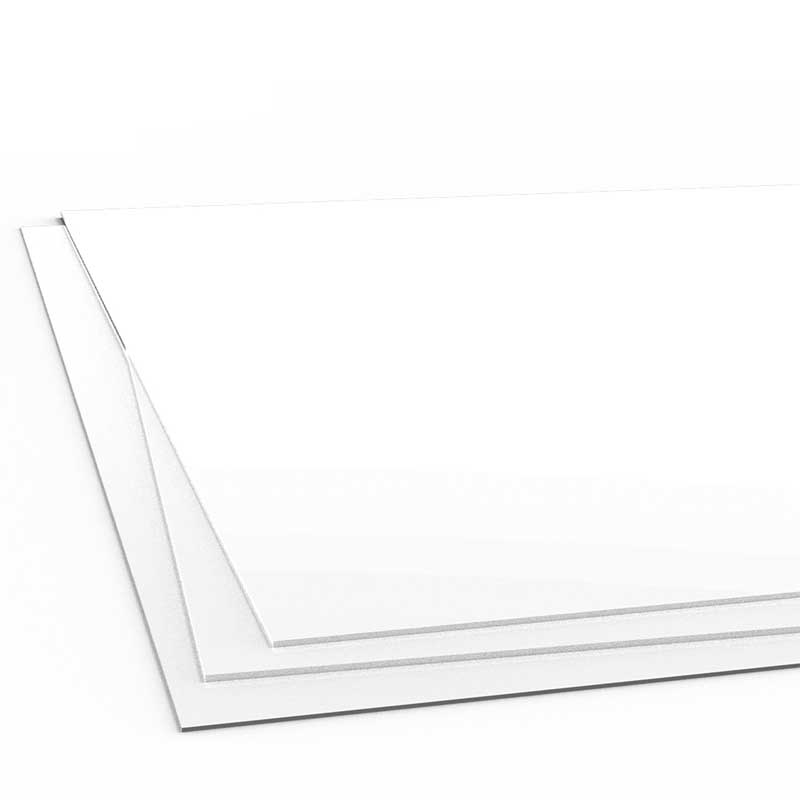
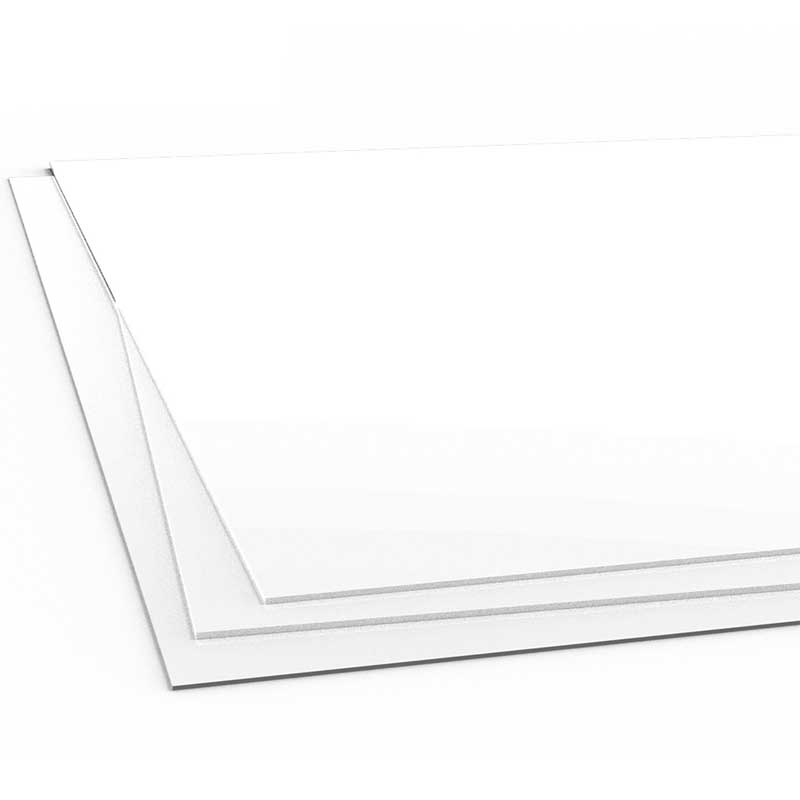
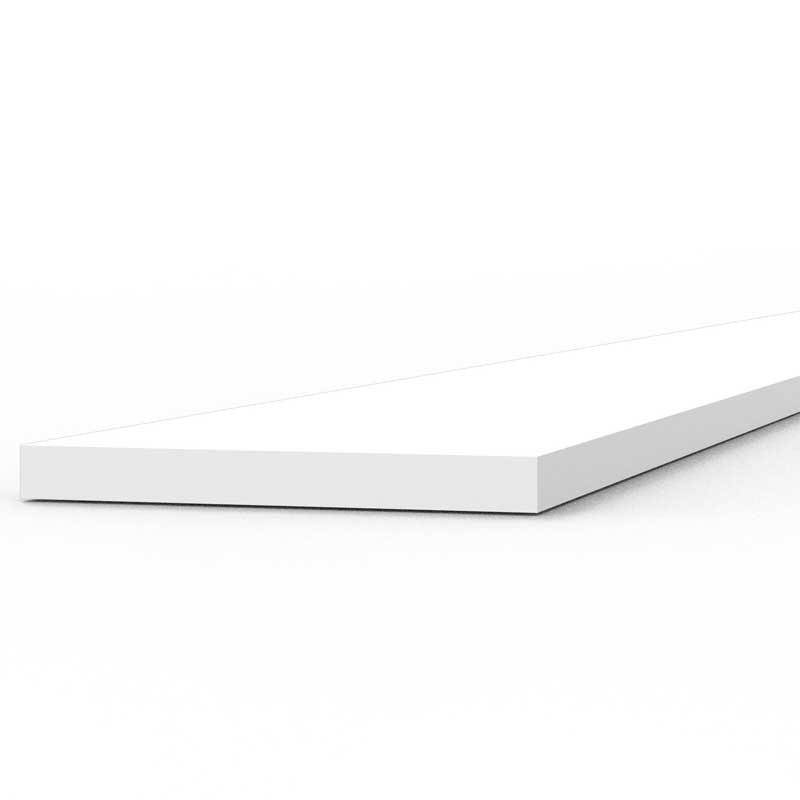
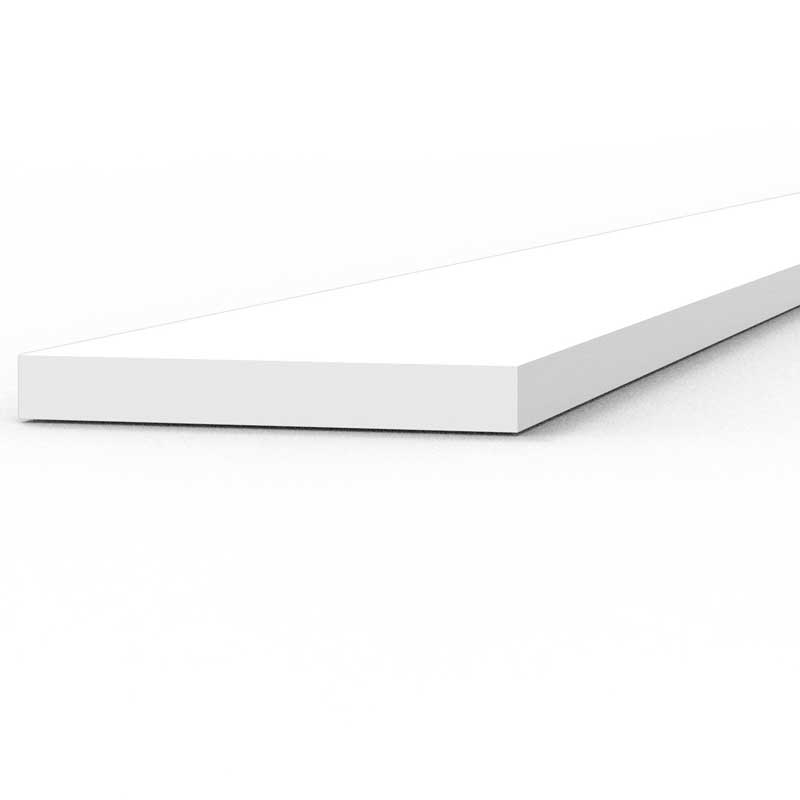
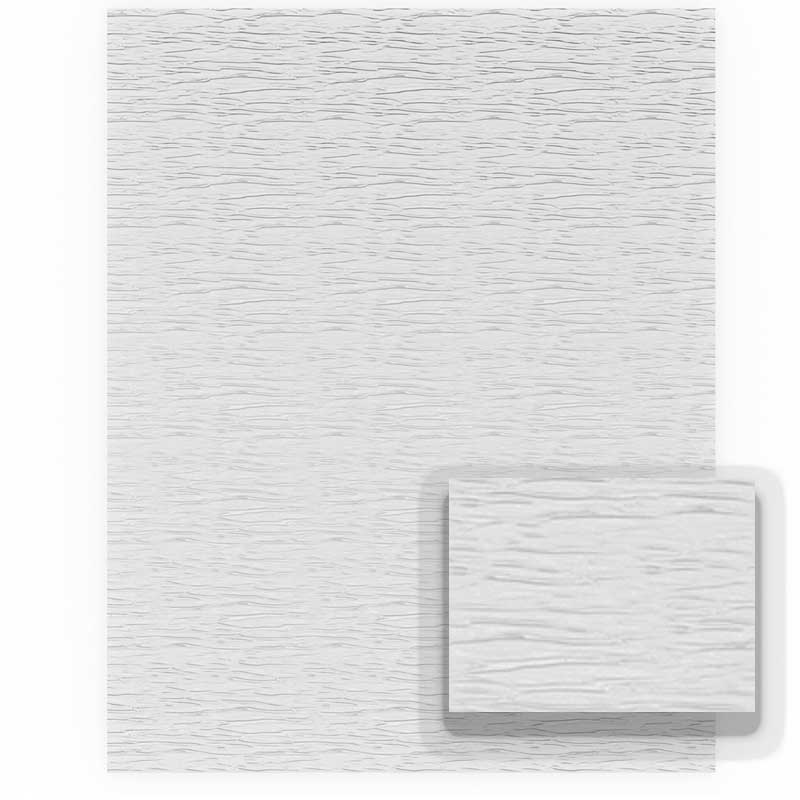
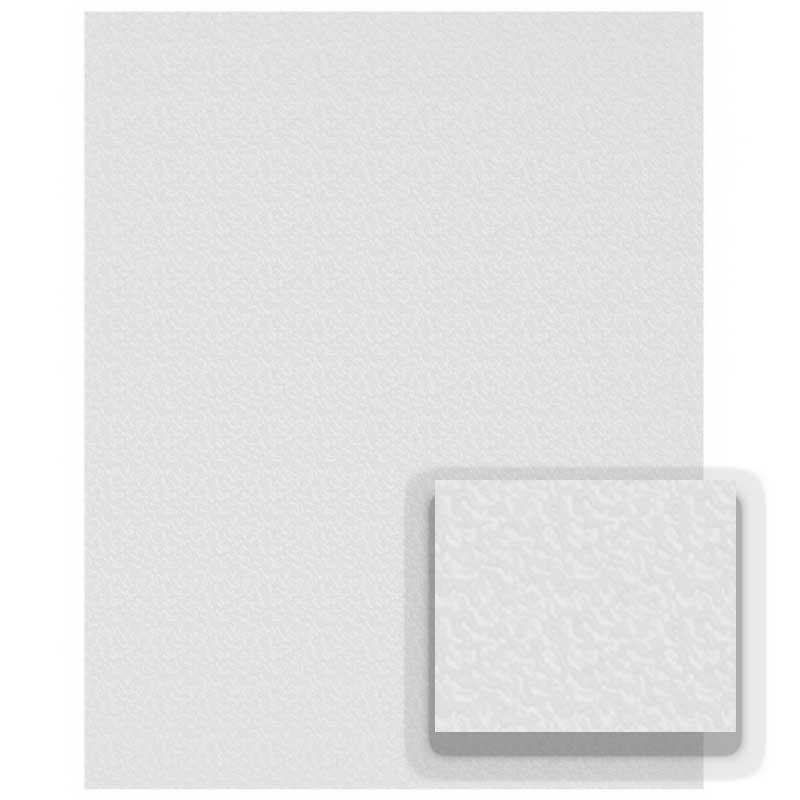
Styrene sheeting is available in several thicknesses. Catalogue examples include Maquett white sheet in 0.30mm, 0.50mm, 0.75mm and 1.00mm thicknesses, as well as Evergreen white sheet styrene in 0.25mm, 0.50mm and 1.0mm options. Evergreen also offers an assortment containing multiple sheet thicknesses.
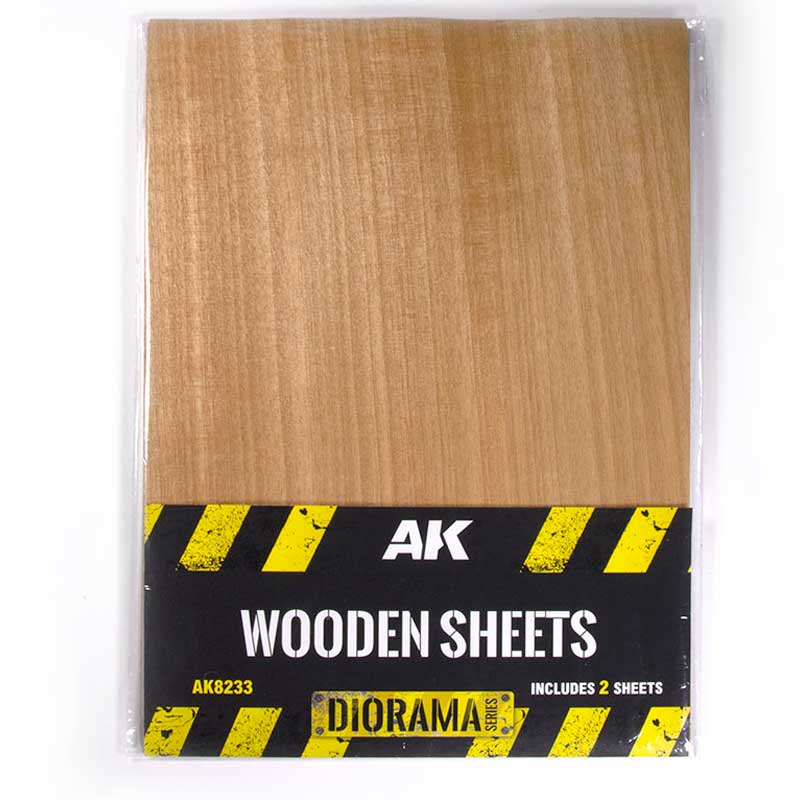
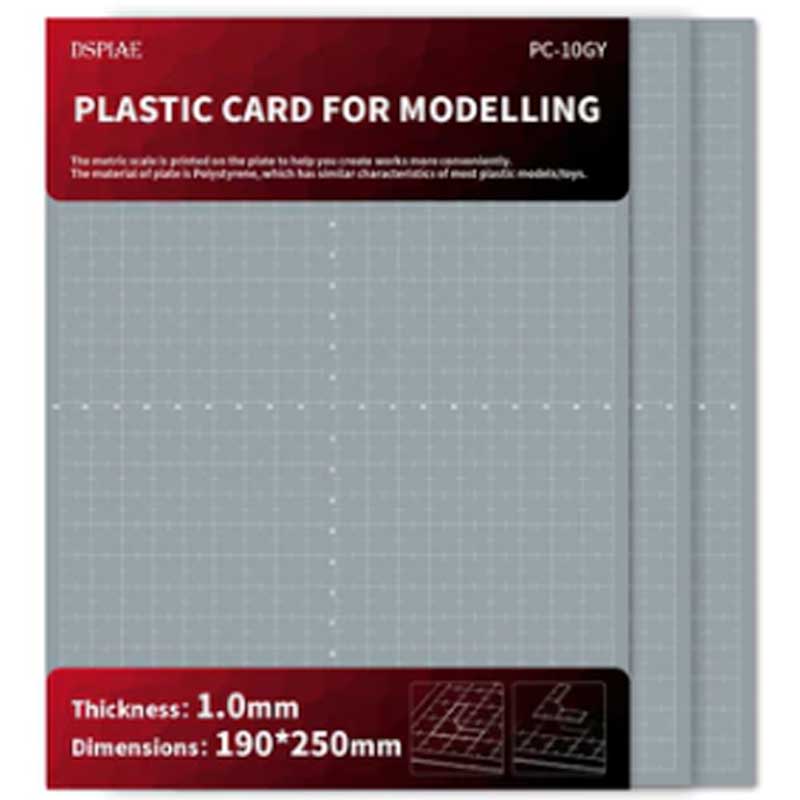
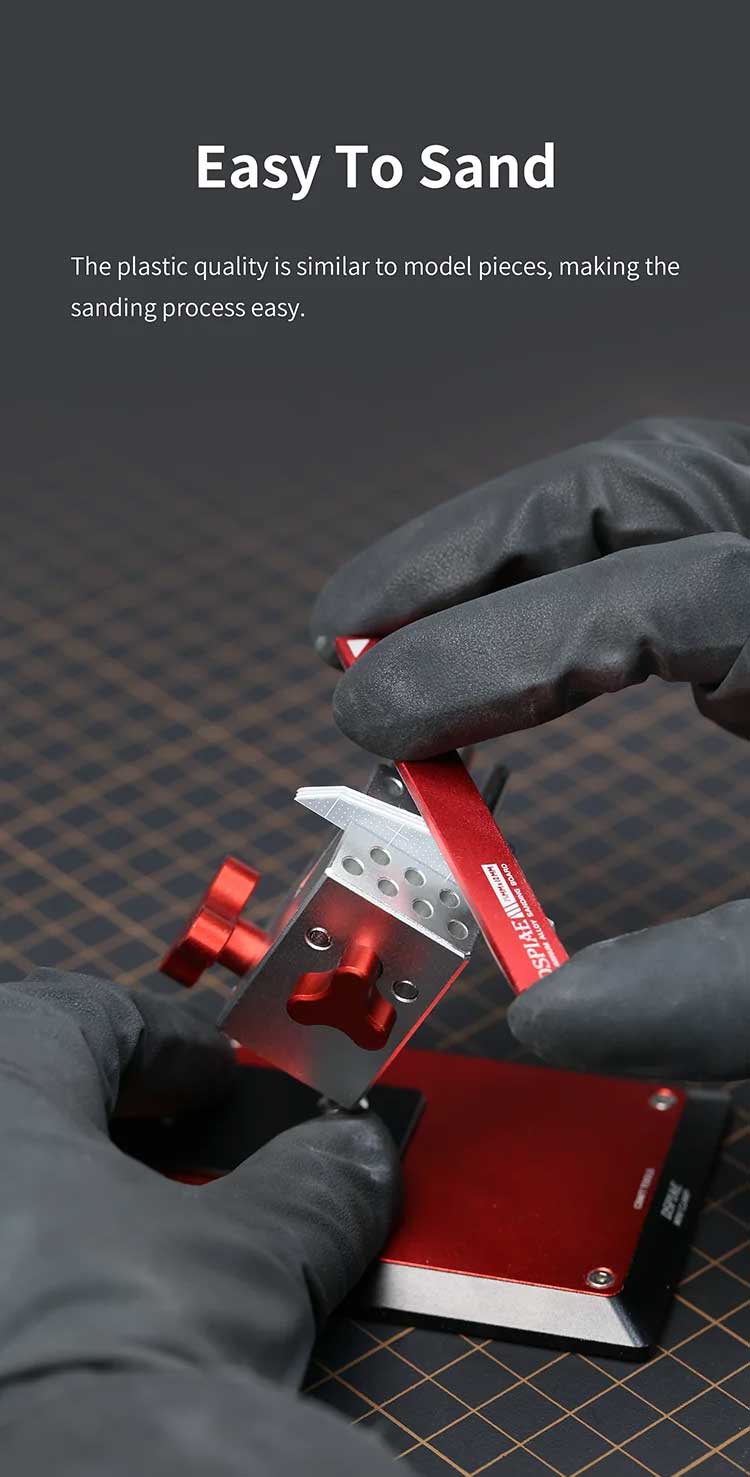
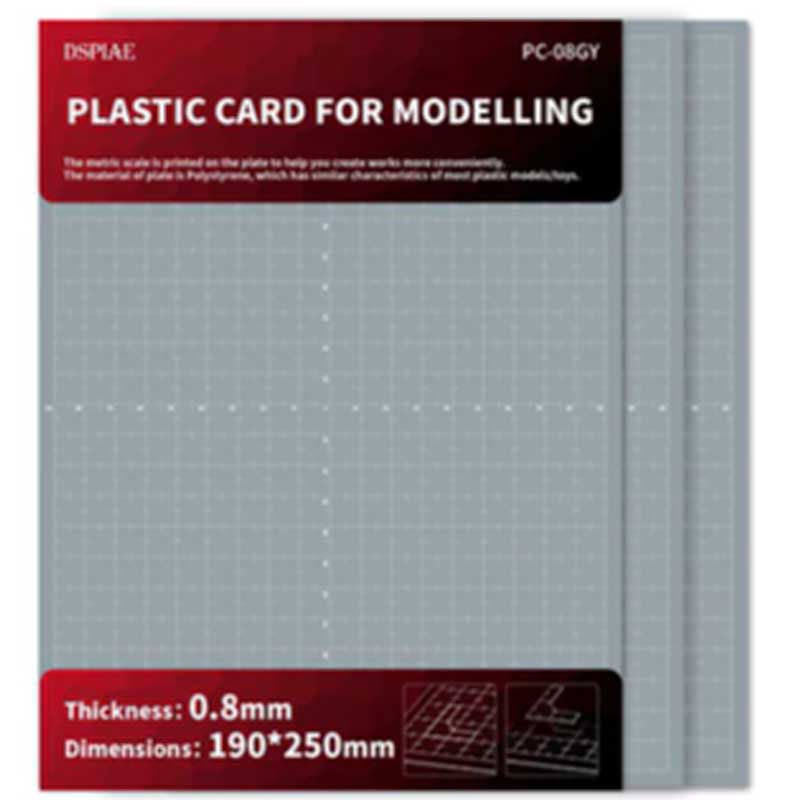
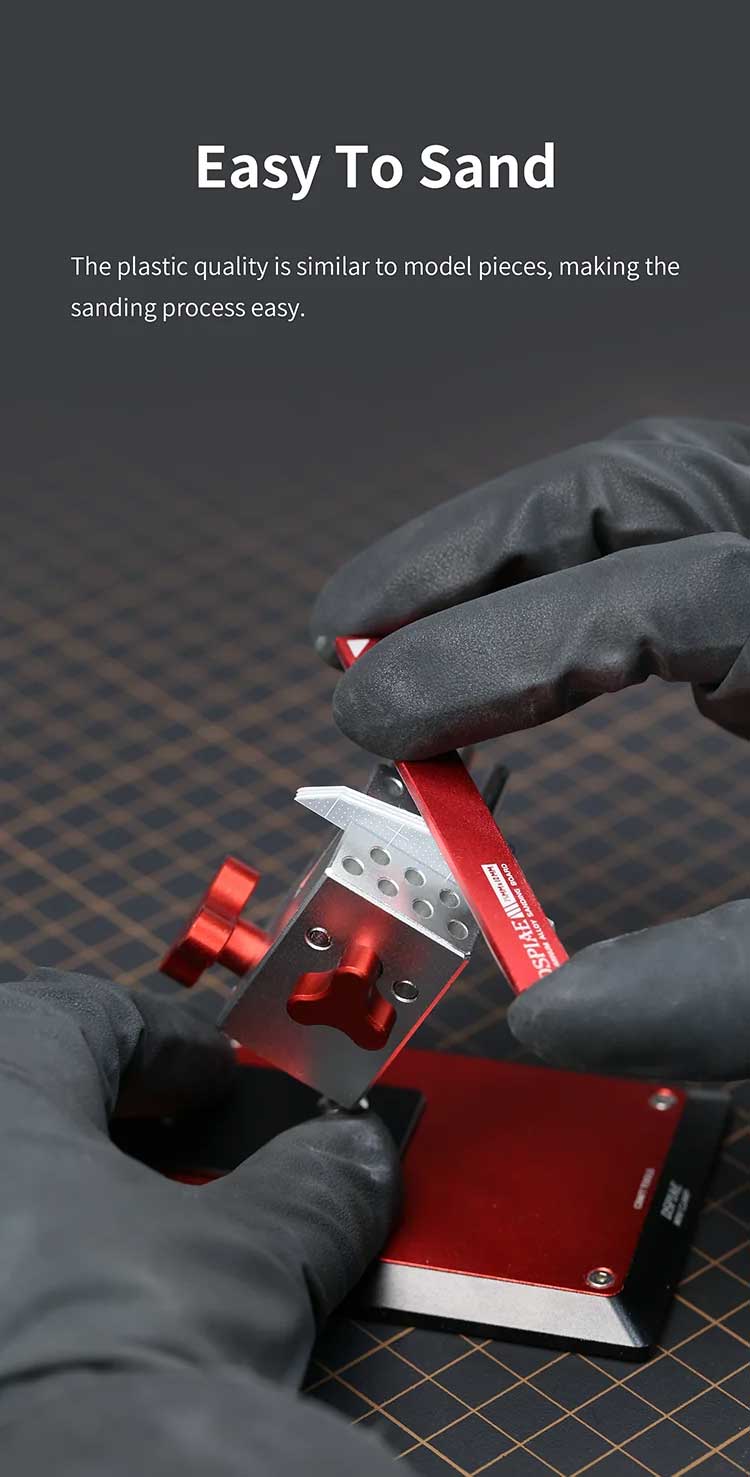
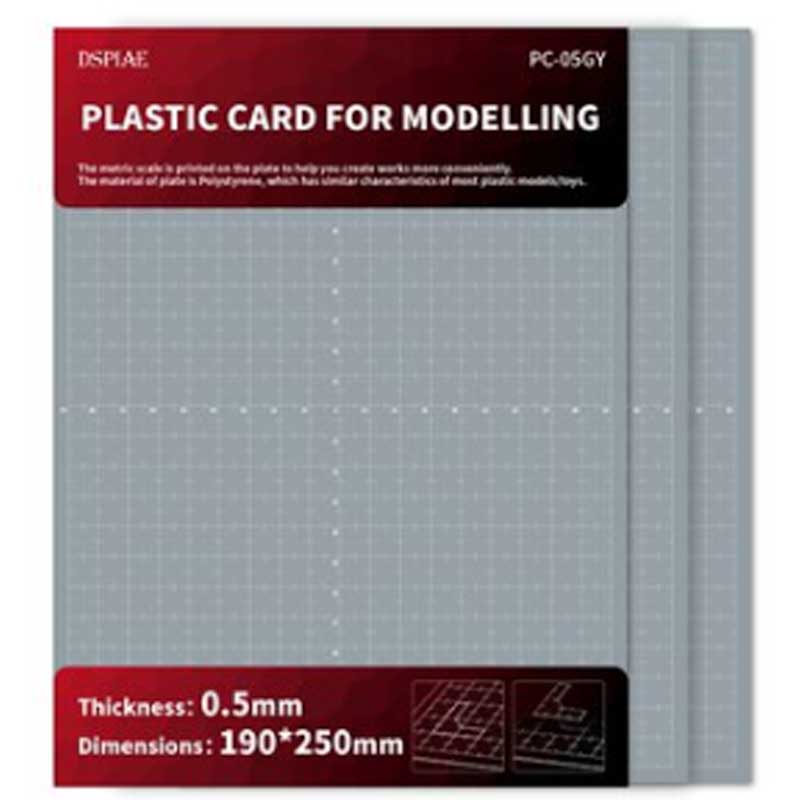
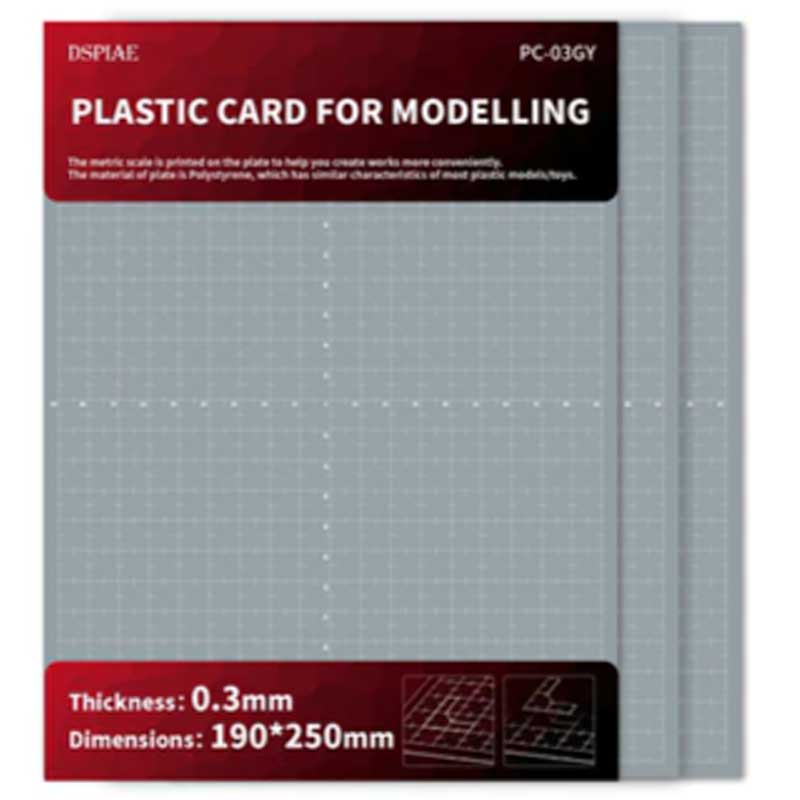
DSPIAE plastic card examples include packs identified in 0.3mm, 0.5mm and 1.0mm thicknesses. AK Interactive is also represented by styrene sheet products. Check each listing for the exact sheet dimensions, quantity, colour and thickness, as these details vary between products and manufacturers.
Browse the dedicated styrene sheet range when your project requires flat plastic material for model making.
Round Rod, Square Rod and Structural Profiles
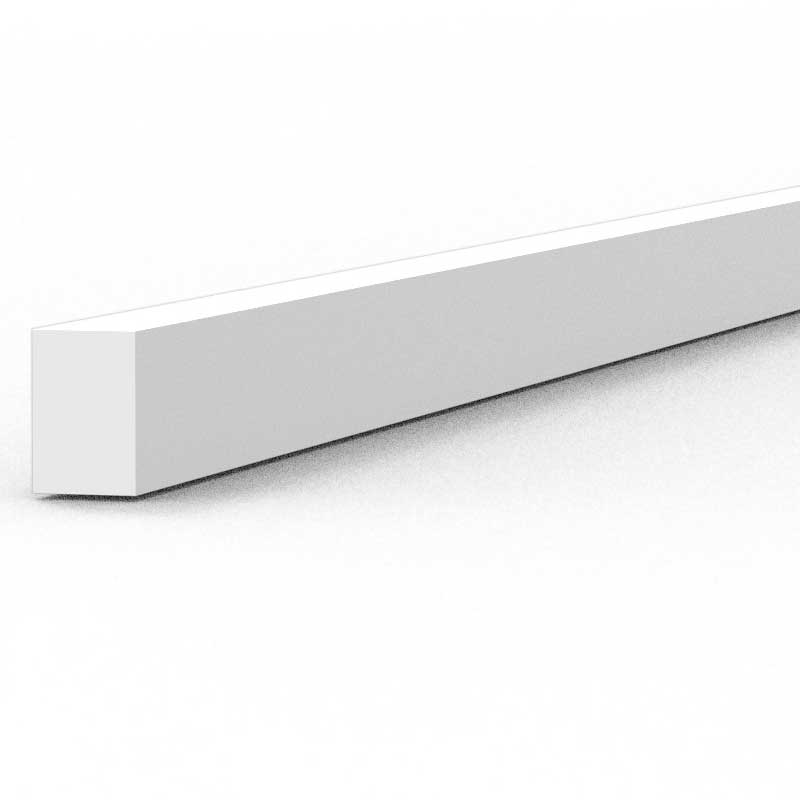
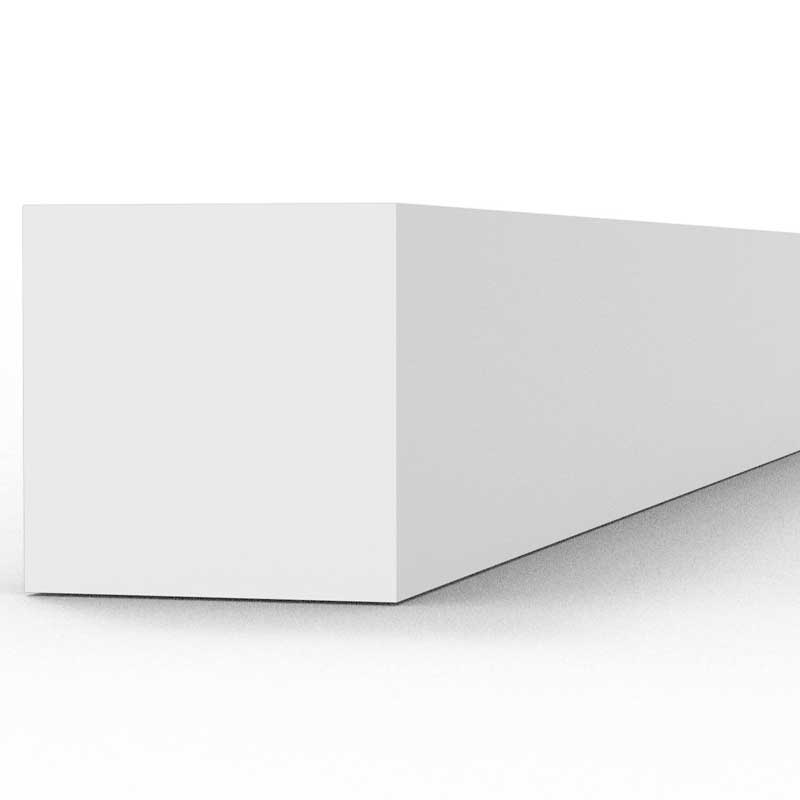
Rod and profile products provide alternatives to flat modelling sheet. Live examples include Evergreen round rod in 0.5mm and 1.0mm sizes, AK Interactive rod in 0.50 and 1.00 diameters, and Maquett round and square rods. Evergreen also offers a rod and tube assortment for projects requiring a mixture of profile types.
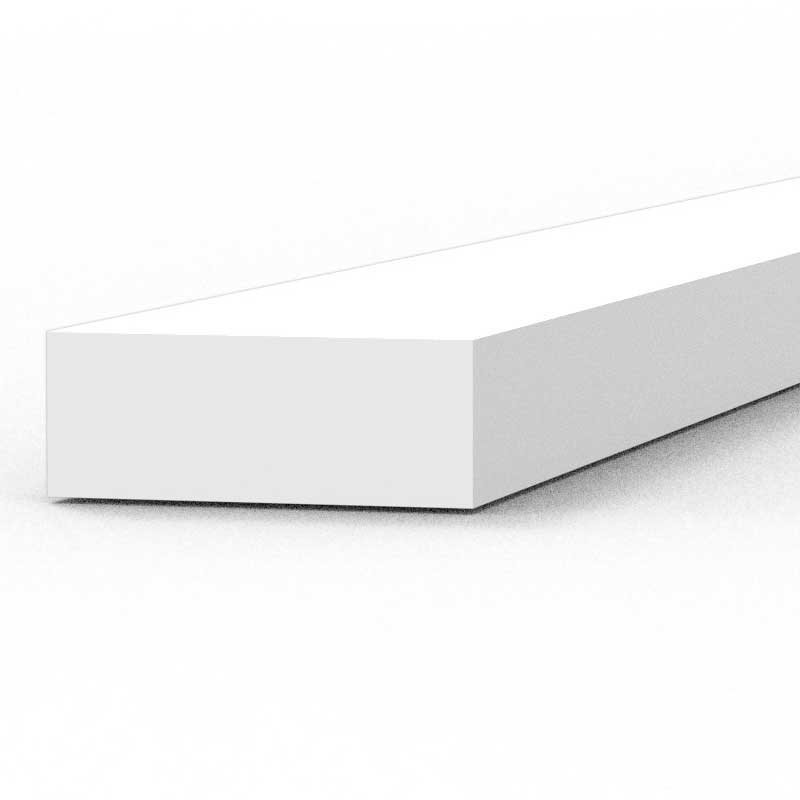
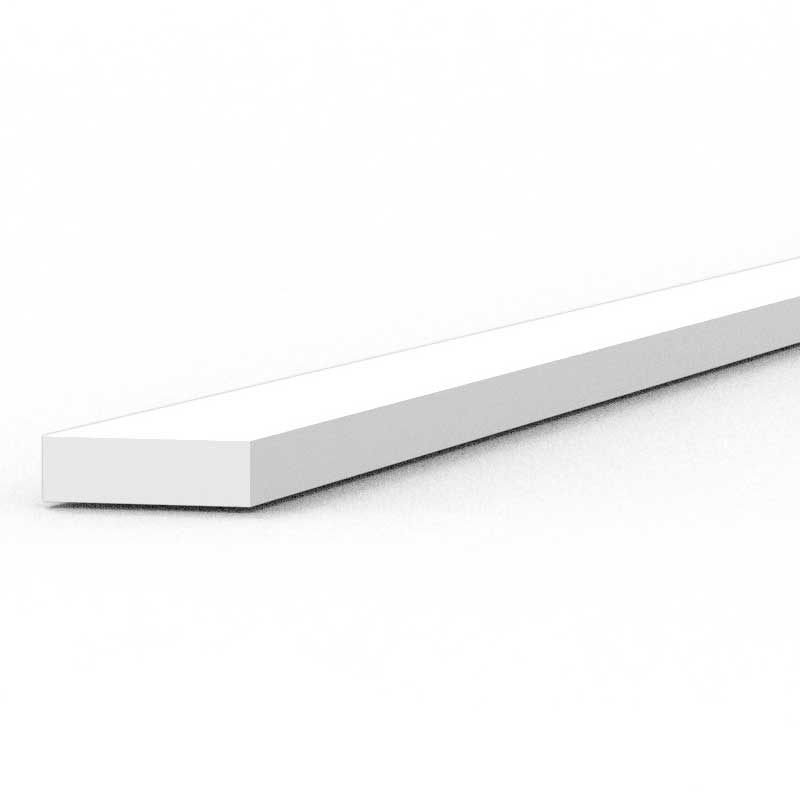
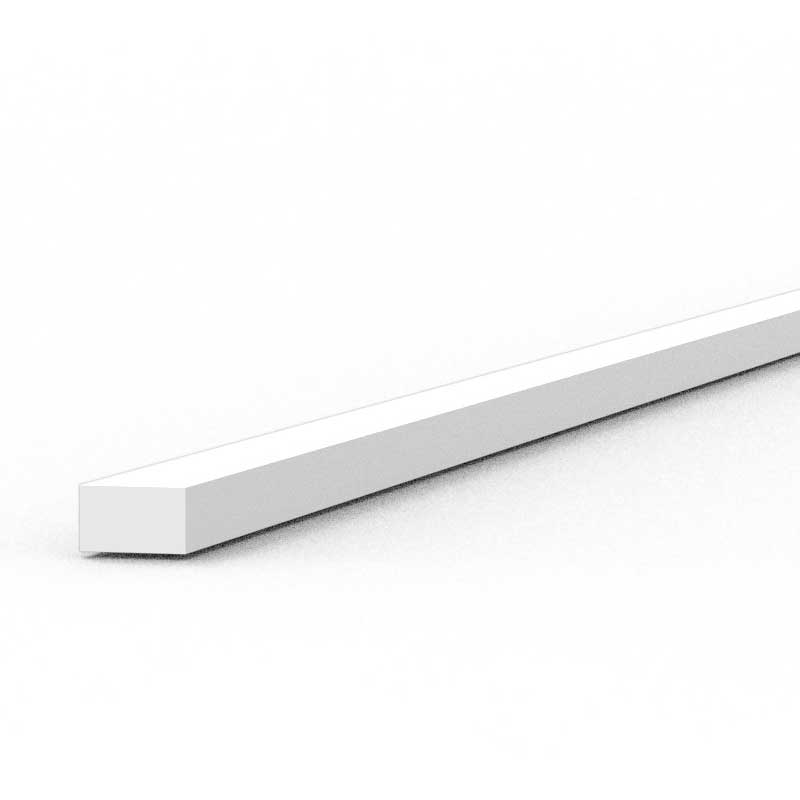
Use the Round Rod category to compare circular profiles, or explore styrene strips when a flat, narrow profile is more appropriate. Other represented shapes include tube, angle, half-round and hexagonal rod.
Choosing Modelling Plastic for Your Project
Begin with the form of material required: sheet or plastic card for flat sections, rod for circular or solid linear details, strips for narrow flat pieces, or another structural profile for a particular shape. Then compare the listed measurements, pack quantity and manufacturer before choosing.
Styrene and plastic materials are widely used across scale-modelling disciplines because they support scratchbuilding, detailing and customised work. The best product depends on the dimensions and profile needed for the individual component, so consult the full product information before cutting or assembly.
For related modelling materials, tools and supplies, browse the wider Scale Model Accessories range.
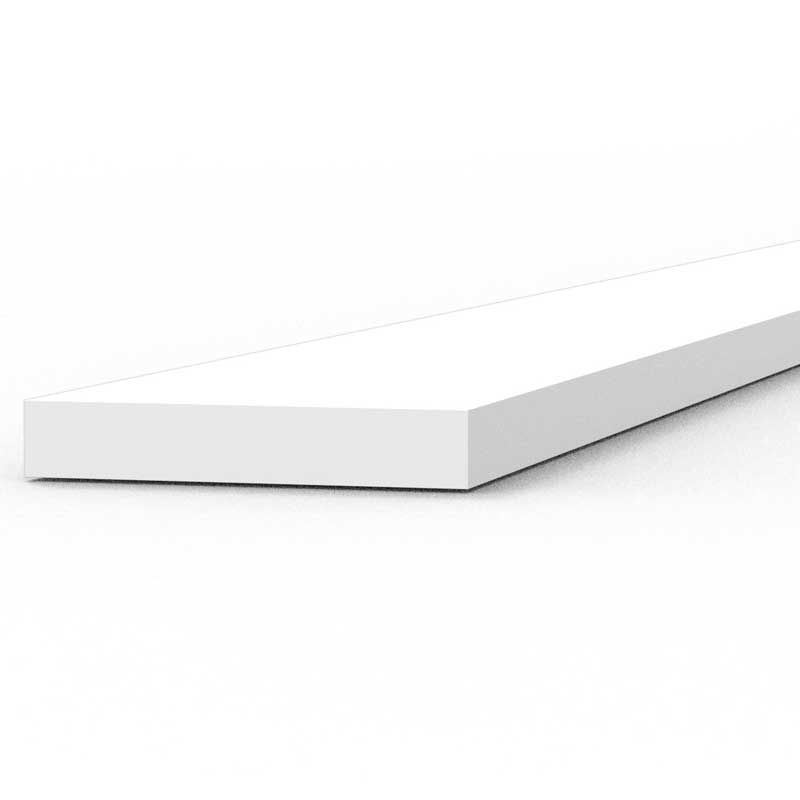
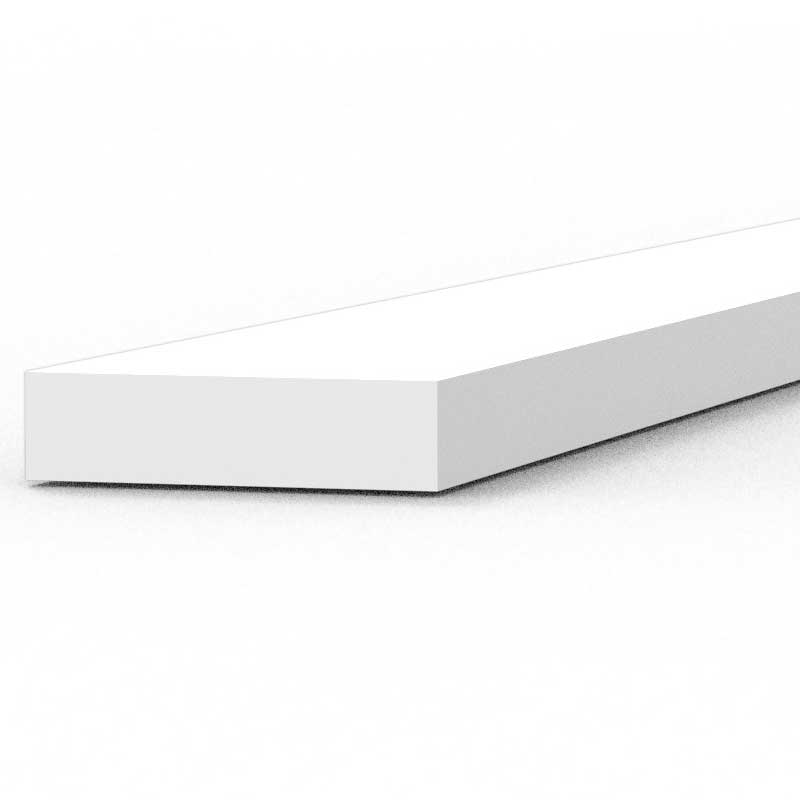
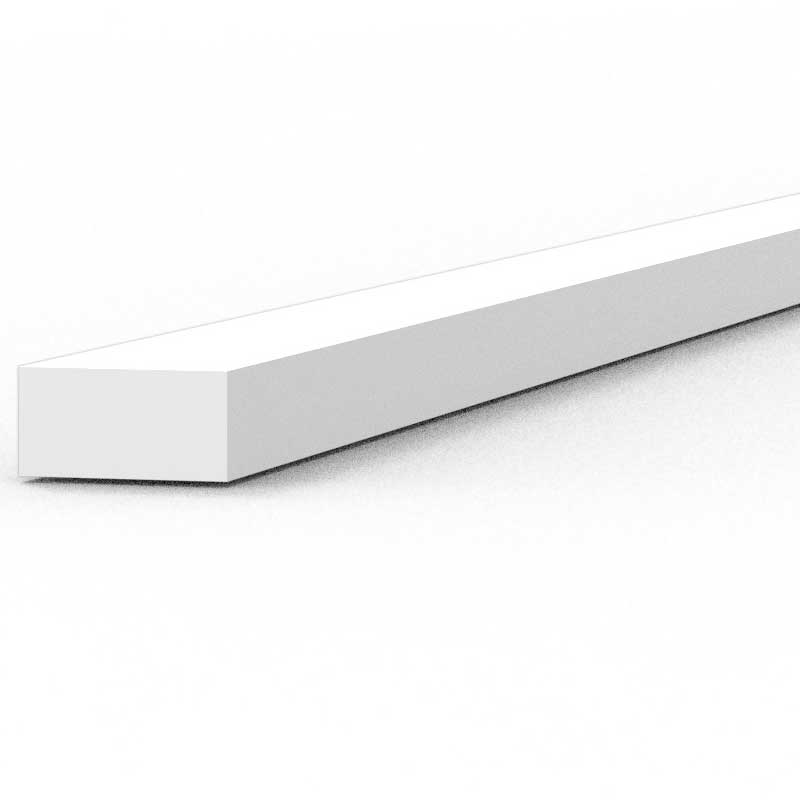
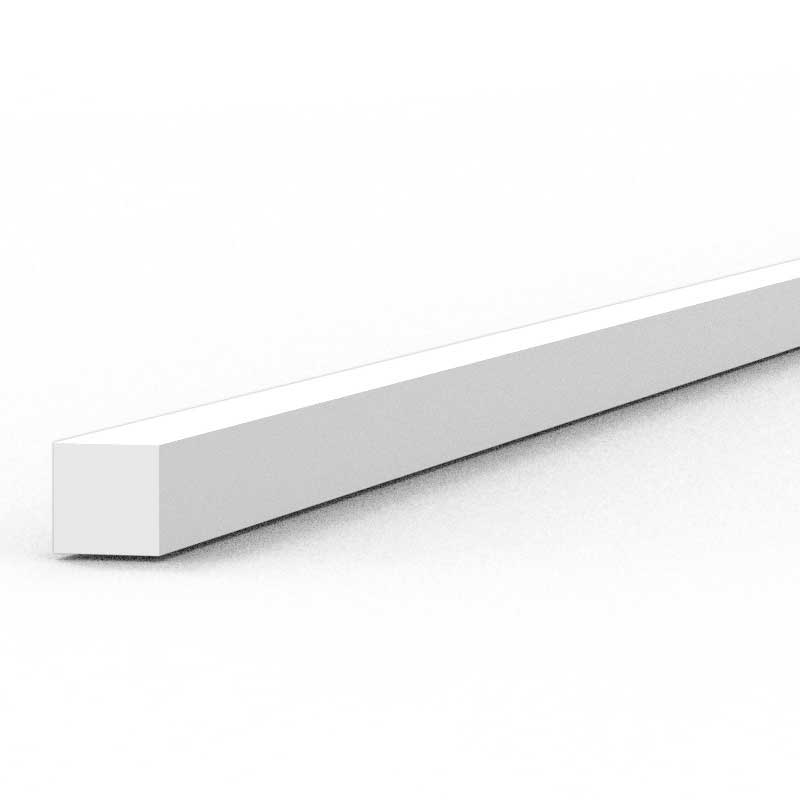
Styrene Sheets and Plastic for Scale Modelling
Explore styrene sheets, plastic card, rods, strips and structural profiles for scratchbuilding, detailing and custom scale-modelling projects. The range includes products from Evergreen, Maquett, AK Interactive and DSPIAE, with different shapes, thicknesses and pack formats represented.
These modelling plastics provide useful starting materials when creating new components, replacing details or adapting an existing build. The category covers flat sheet alongside round rod, square rod, round tube, angle, half-round and hexagonal profiles, making it easier to choose a form suited to the part being planned.
Styrene Sheet and Plastic Card for Modelling
Styrene sheeting is available in several thicknesses. Catalogue examples include Maquett white sheet in 0.30mm, 0.50mm, 0.75mm and 1.00mm thicknesses, as well as Evergreen white sheet styrene in 0.25mm, 0.50mm and 1.0mm options. Evergreen also offers an assortment containing multiple sheet thicknesses.
DSPIAE plastic card examples include packs identified in 0.3mm, 0.5mm and 1.0mm thicknesses. AK Interactive is also represented by styrene sheet products. Check each listing for the exact sheet dimensions, quantity, colour and thickness, as these details vary between products and manufacturers.
Browse the dedicated styrene sheet range when your project requires flat plastic material for model making.
Round Rod, Square Rod and Structural Profiles
Rod and profile products provide alternatives to flat modelling sheet. Live examples include Evergreen round rod in 0.5mm and 1.0mm sizes, AK Interactive rod in 0.50 and 1.00 diameters, and Maquett round and square rods. Evergreen also offers a rod and tube assortment for projects requiring a mixture of profile types.
Use the Round Rod category to compare circular profiles, or explore styrene strips when a flat, narrow profile is more appropriate. Other represented shapes include tube, angle, half-round and hexagonal rod.
Choosing Modelling Plastic for Your Project
Begin with the form of material required: sheet or plastic card for flat sections, rod for circular or solid linear details, strips for narrow flat pieces, or another structural profile for a particular shape. Then compare the listed measurements, pack quantity and manufacturer before choosing.
Styrene and plastic materials are widely used across scale-modelling disciplines because they support scratchbuilding, detailing and customised work. The best product depends on the dimensions and profile needed for the individual component, so consult the full product information before cutting or assembly.
For related modelling materials, tools and supplies, browse the wider Scale Model Accessories range.
Understanding Plastic vs Styrene for Scale Modelling
When working on scratchbuilding or adding custom details, the materials you choose can quietly make or break the result. Plastic is a broad term that covers a range of synthetic materials used in modelling, including ABS, acrylic, PVC, and styrene. Each behaves slightly differently, and knowing when to use what can save a lot of frustration later on.
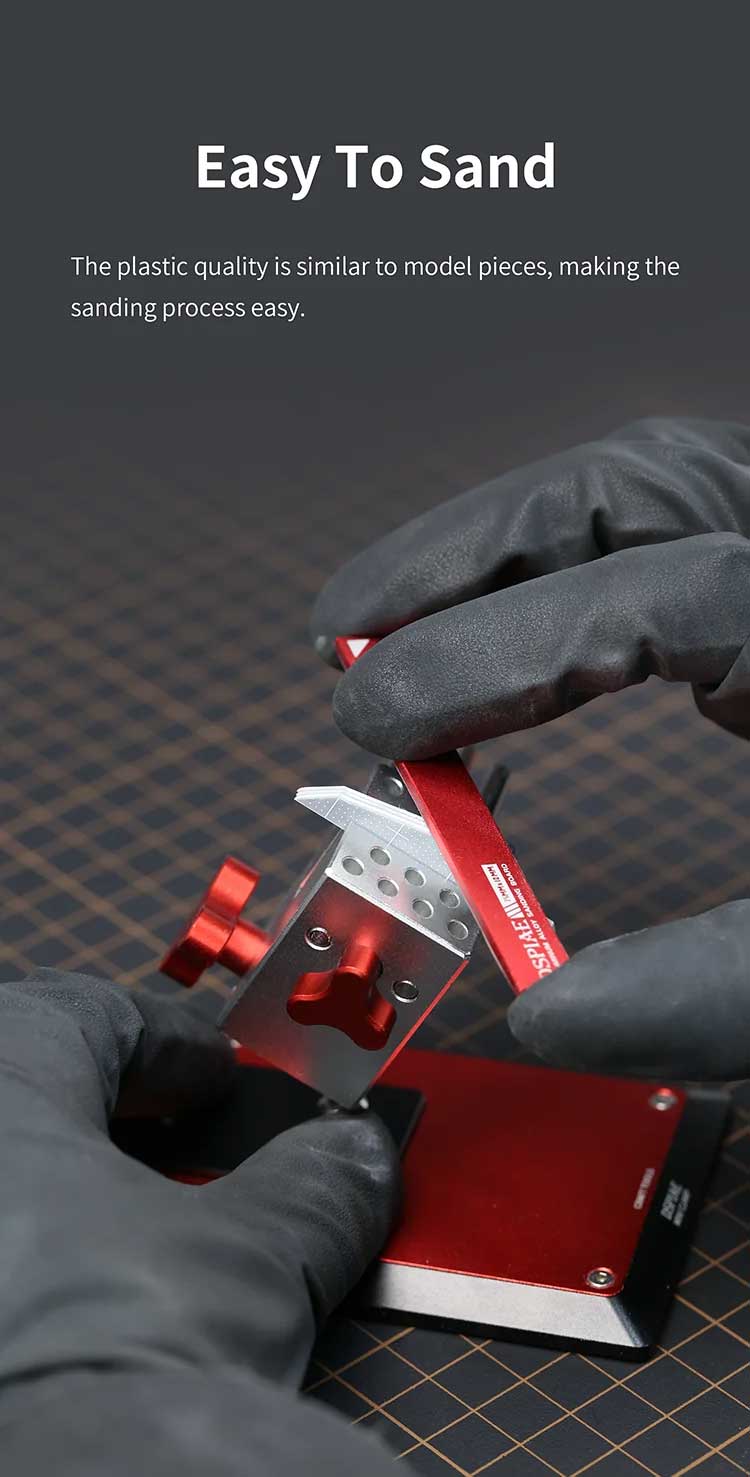
Styrene, or polystyrene, is the most commonly used material in scale modelling. It is the same material used in most plastic model kits, which means it cuts cleanly, sands smoothly, and bonds reliably using polystyrene cement. This makes it especially useful for precise work, whether you are building structures from scratch or modifying existing kits.
Other plastics still have their place. ABS plastic offers greater strength and flexibility, making it suitable for parts that need to handle stress. Acrylic plastics are often used where transparency is needed, such as windows or display elements, although they require different adhesives and handling techniques.
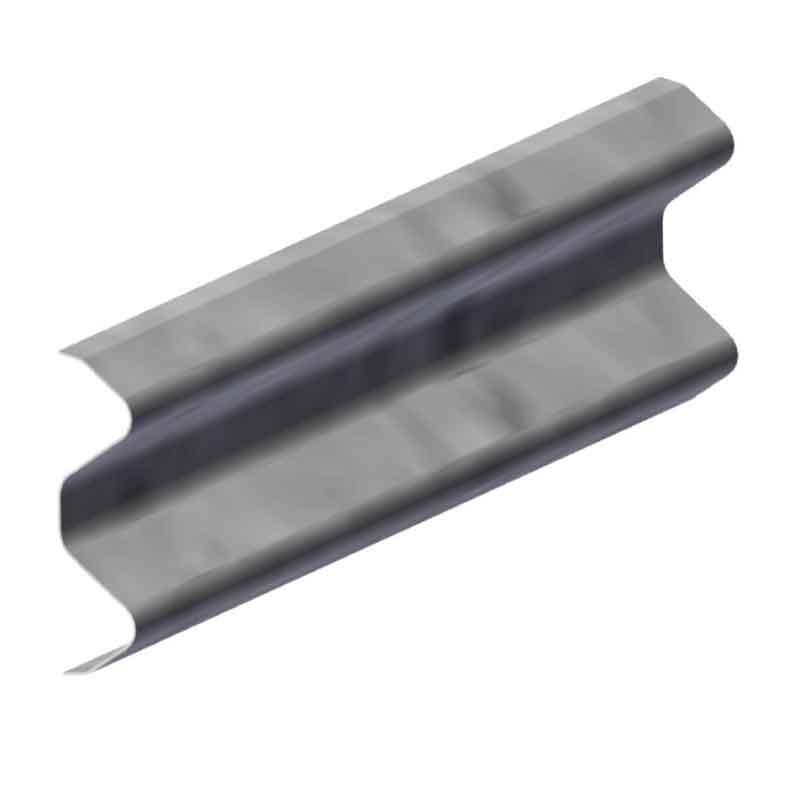
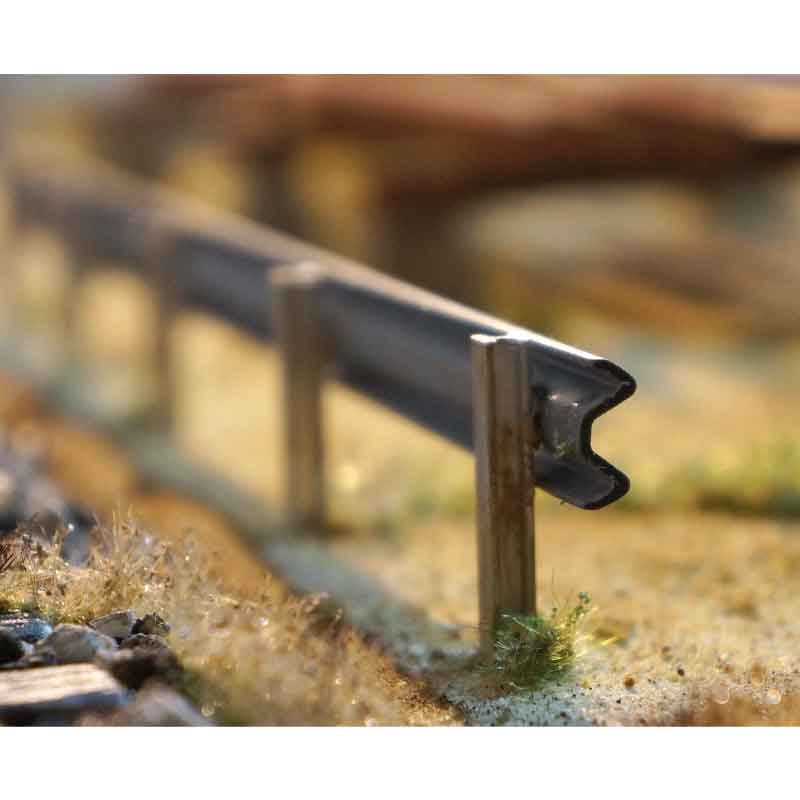
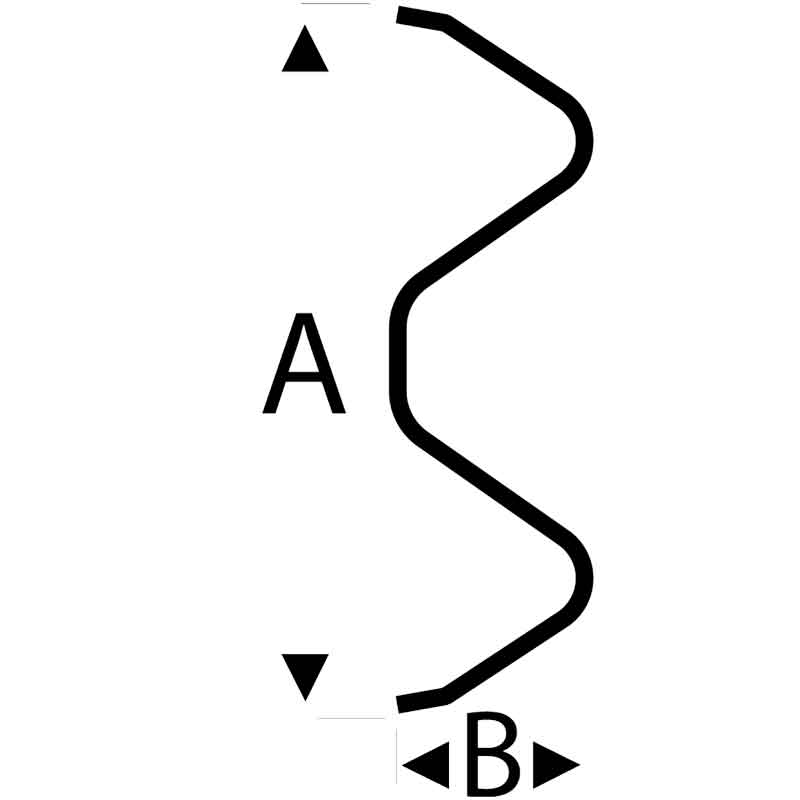
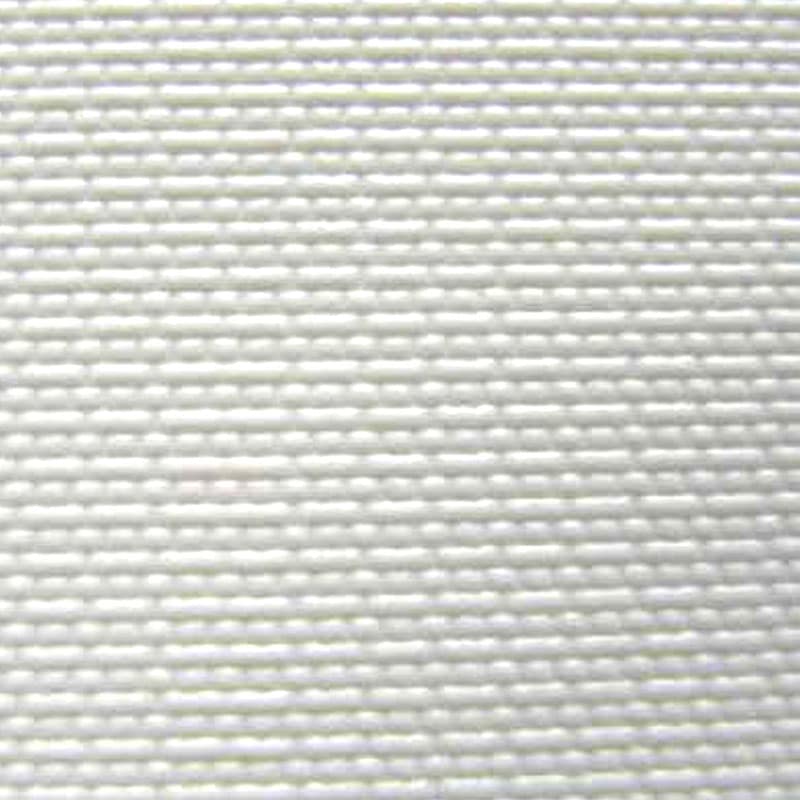
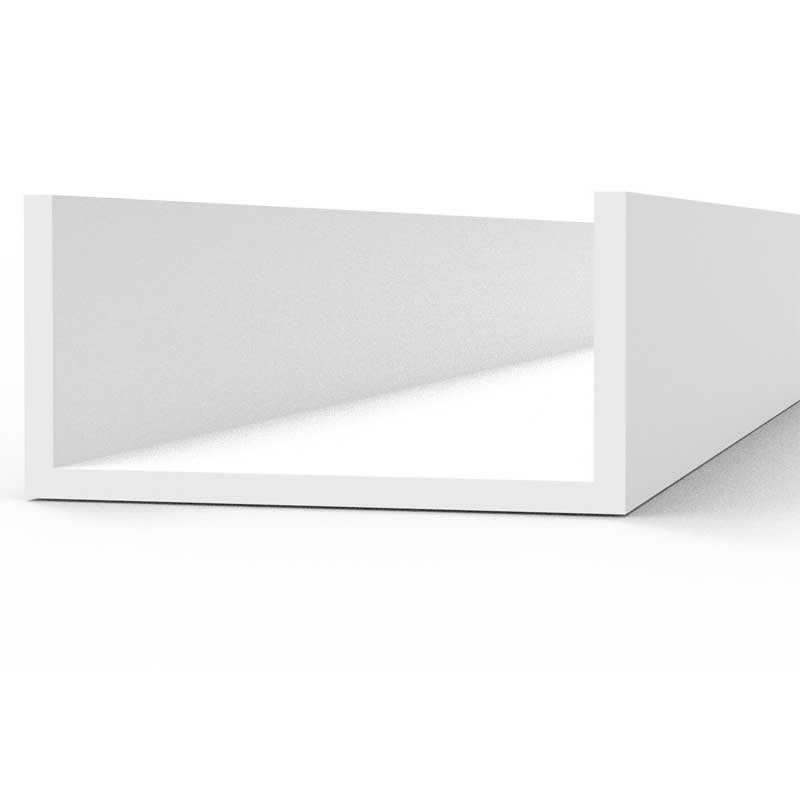
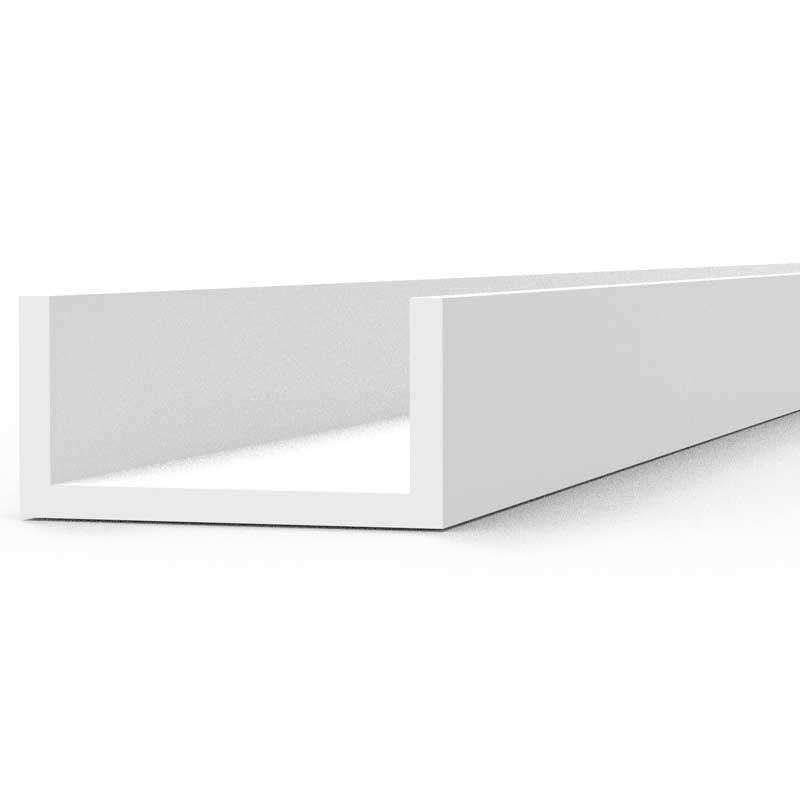
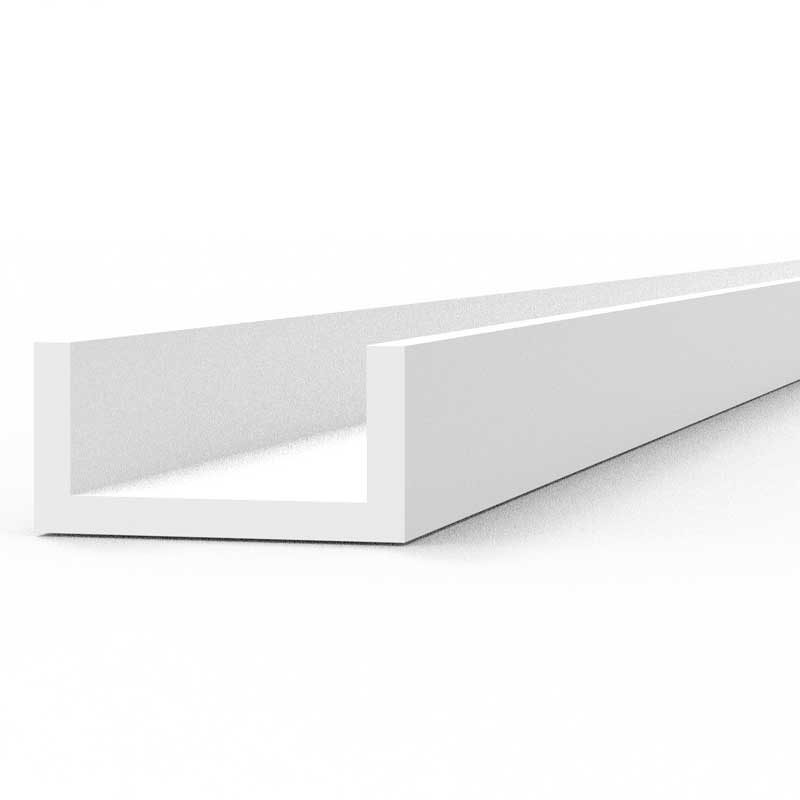
Styrene materials are available in a wide range of shapes and profiles, allowing you to recreate structural details with accuracy. Flat sheets are ideal for panels and surfaces, while strips and rods are perfect for fine detailing. More complex profiles like angle, channel, I-beam, L-beam, and T-beam help replicate real-world structures in miniature.
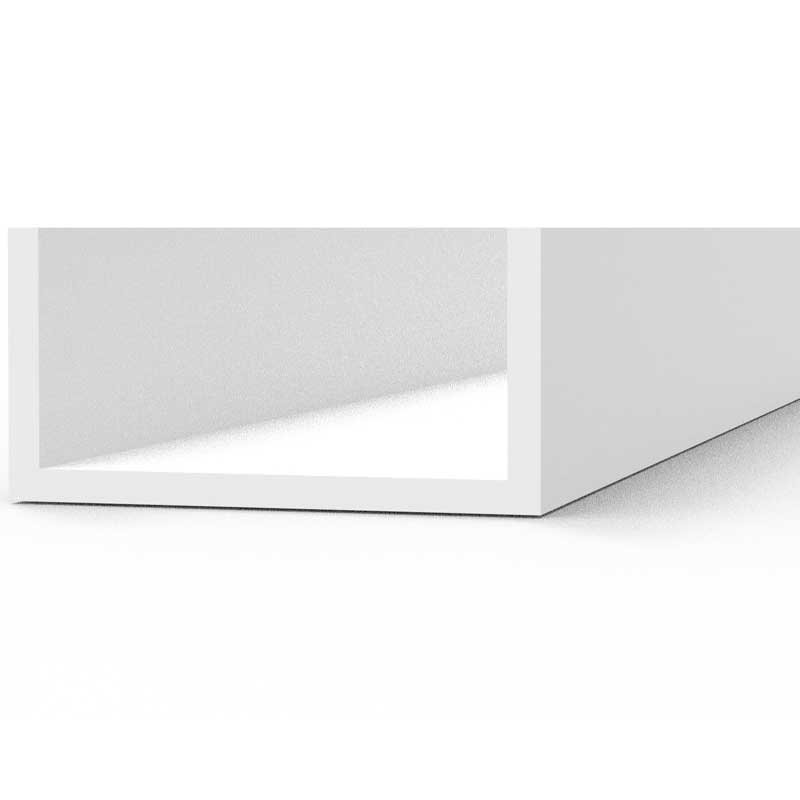
For more specialised shapes, you will also find options such as round rod, square rod, hexagonal rod, and triangle rod. Tubing options like round tube and square tube are useful for frameworks and piping, while profiles such as half round, quarter round, and railroad profile allow for more specific detailing work.
Structural builds can be taken further with components like H-column, rectangular tube, and connectors, giving you flexibility when creating frames or architectural elements.
In most cases, styrene remains the go-to choice for scale modellers because it is predictable, easy to work with, and compatible with standard modelling tools and adhesives. Choosing the right material and profile does not just improve accuracy, it makes the whole build process feel smoother, which is half the battle with this hobby.