
IBG Models Plastic Model Kit
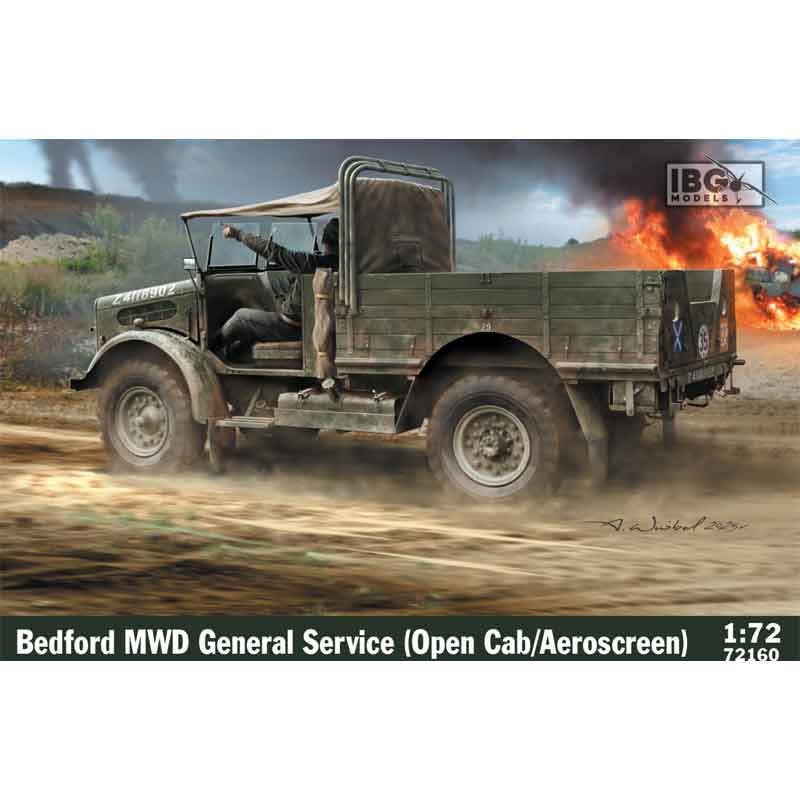
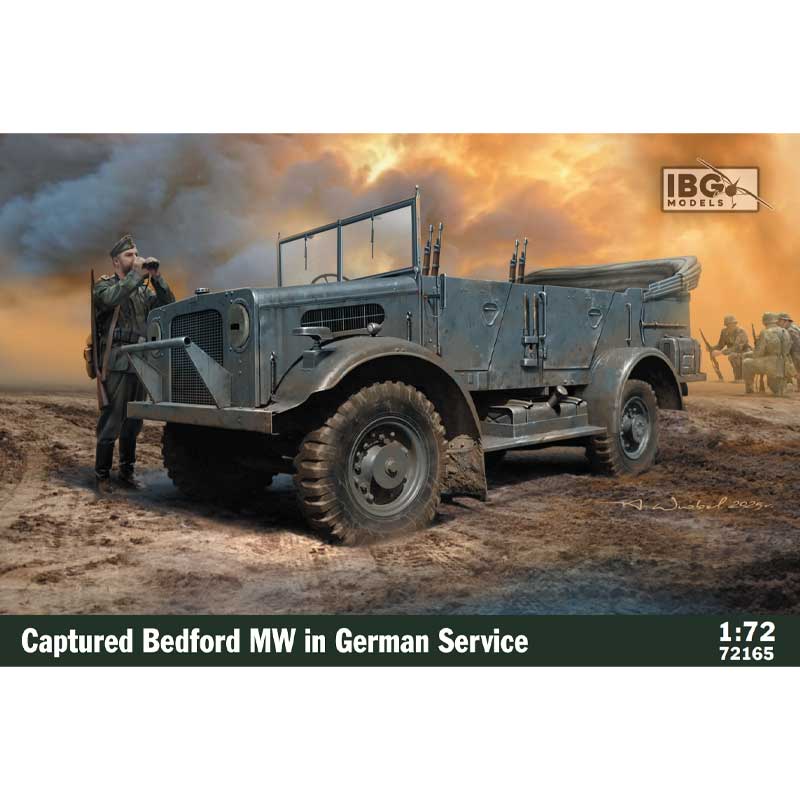
Captured Bedford MW in German Service (1/72)
This 1/72 scale plastic model kit from IBG Models depicts a captured British Bedford MW light truck pressed into service by German forces during WWII. Representing one of the many vehicles reused by necessity rather than design, the subject reflects the practical realities of wartime logistics.
The Bedford MW was a compact, versatile truck originally produced for the British Army, valued for its simplicity and reliability. When captured in large numbers, these vehicles were frequently repainted, re-marked, and reassigned by German units to support transport, supply, and general utility roles across occupied territories.
The kit captures the straightforward construction of the Bedford MW, making it a strong foundation for small-scale dioramas or as supporting transport alongside armour and figures. Its modest size and non-combat role help add realism and context to WWII scenes that focus on movement and supply rather than frontline action.
- 1/72 scale plastic model assembly kit
- Depicts a captured British Bedford MW truck in German service
- WWII softskin vehicle subject
- Compact size suitable for dioramas and vehicle groupings
- Ideal companion for figures and armoured vehicles
This kit is well suited to modellers looking to add logistical detail to WWII displays, highlighting the improvisation and reuse that defined much of wartime transport.
History
The Bedford MW was one of the most widely used light trucks in British service during the Second World War. Designed for ease of production and maintenance, it served in a variety of roles including troop transport, supply delivery, and specialist conversions.
Following early campaigns in Europe and North Africa, large numbers of Bedford trucks were captured by German forces. With their own vehicle production under pressure, German units frequently reused captured Allied equipment, designating it as Beutefahrzeuge and integrating it into their transport networks.
These captured vehicles often operated far from their original purpose, sometimes with minimal modifications beyond new markings. Their continued use underscores both the reliability of the original design and the logistical challenges faced by armies operating across vast territories during the war.