
Kotare Plastic Model Kit
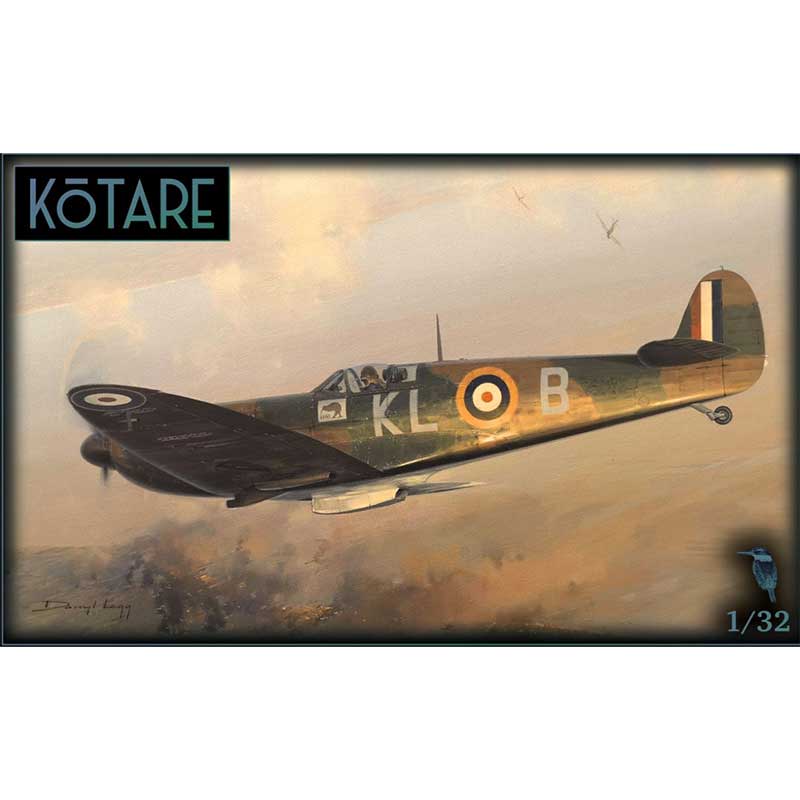
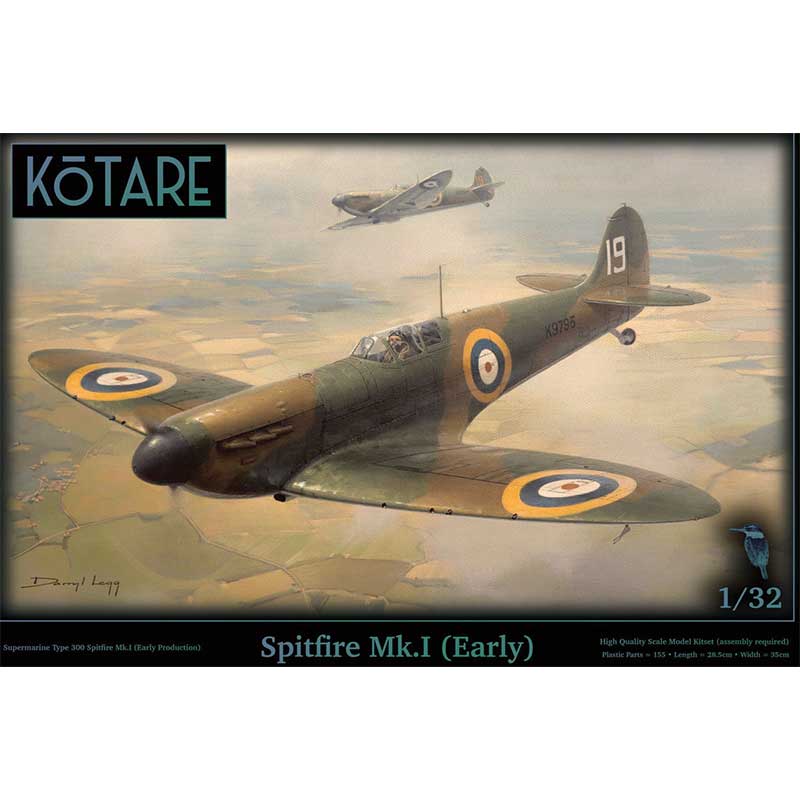
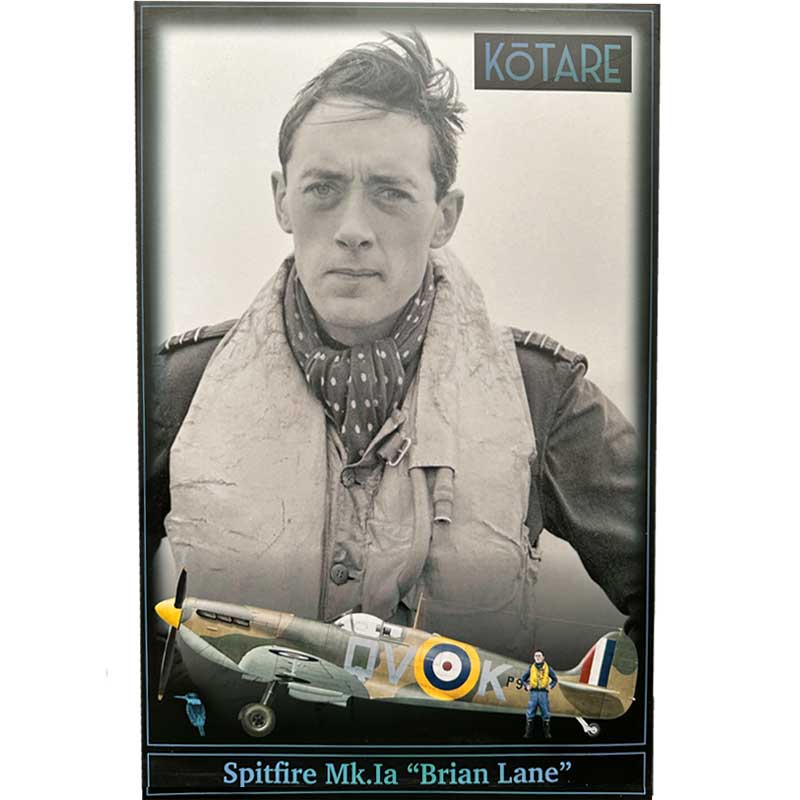
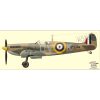
Supermarine Spitfire Mk I Brian Lane (1/32)
There is something quietly powerful about modelling a specific pilot’s aircraft, maybe because it puts a real person back into the shape of the machine. Kotare’s Brian Lane edition sits right in that space. The plastic is sharp, clean, and familiar if you know their Mk I tooling, but the context gives it a slightly different weight. You can almost imagine the early-war tension in the lines of the airframe, the feeling of something new, untested, but absolutely vital.
The kit uses the same high-quality engineering you get in Kotare’s earlier Spitfire releases. Crisp rivet detail, well-judged interior work, and optional features that let you build Lane’s machine as it actually appeared during the Battle of Britain. You can open or close things in a way that feels natural, not forced, and the fit tends to encourage a slower, more thoughtful pace. The markings, printed by Cartograf, look clean and confident, and sit well with the overall character of the build. It is one of those kits that feels rewarding before you’ve even glued anything.
- 1/32 scale high-detail mid-production Spitfire Mk I
- Features parts tailored to Brian Lane’s aircraft
- Crisp surface detail with accurate rivet and panel representation
- Optional canopy, door, seat, and propeller configurations
- Detailed cockpit with historically appropriate equipment layout
- Weighted wheels and correct undercarriage geometry
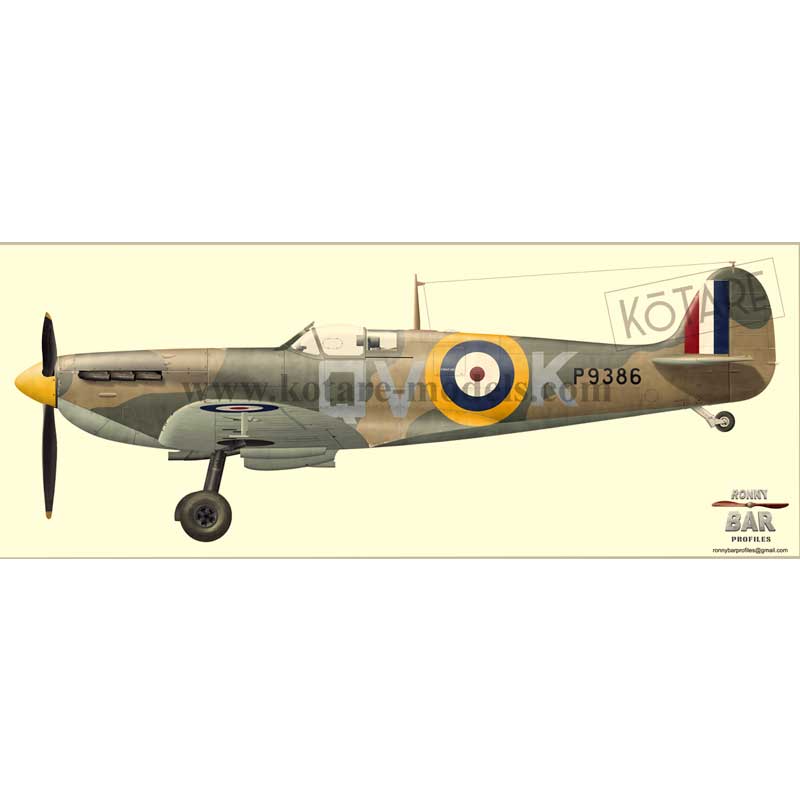
- High-quality Cartograf decals for Lane’s Battle of Britain markings
- Includes illustrated instruction manual
Brian Lane’s Spitfire sits at a defining moment in RAF history. Lane, a key pilot of No. 19 Squadron, flew through the Battle of Britain with a mix of determination and restraint that still reads clearly in his later writings. His aircraft reflected the rapid development of the early Spitfire line, from propeller updates to subtle internal changes, all driven by pressure both inside and outside the factory walls. The Mk I, caught between innovation and urgency, evolved almost weekly during 1940. Paint schemes shifted, radios changed, propellers upgraded, and countless small adjustments were made as the RAF struggled to keep pace with the moment. Lane’s machine embodies that period perfectly, a snapshot of an aircraft and a pilot at a turning point that ultimately shaped the direction of the war in the air.