Kotare Plastic Model Kit
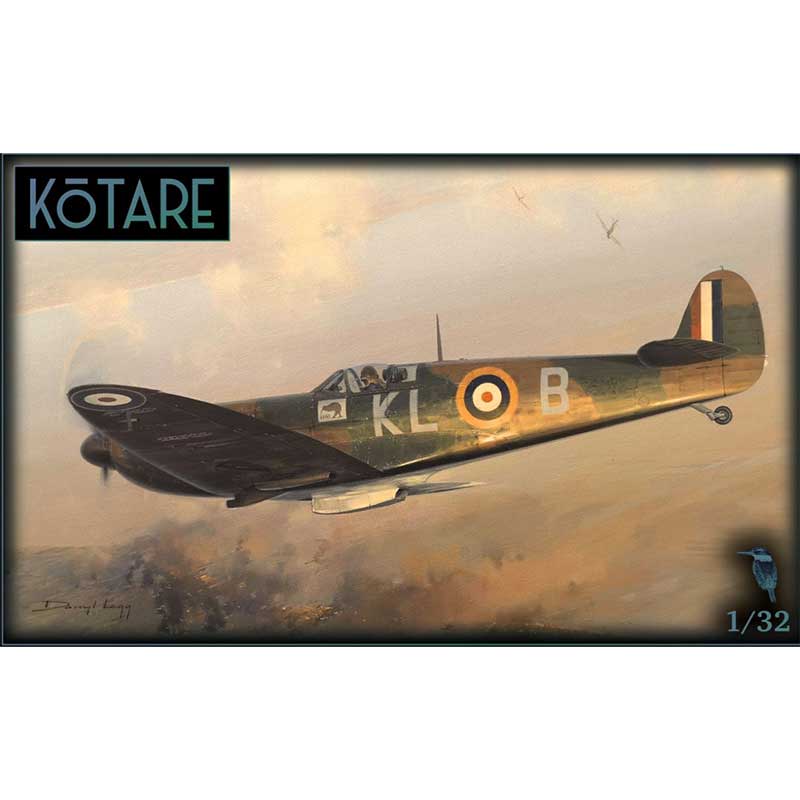
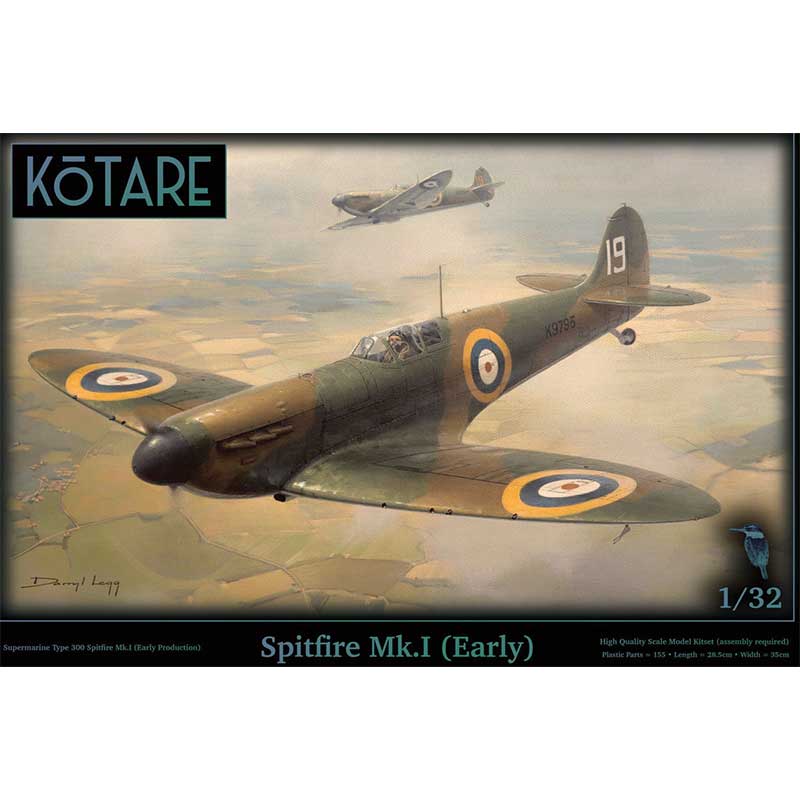
Spitfire Mk.I (Early) (1/32)
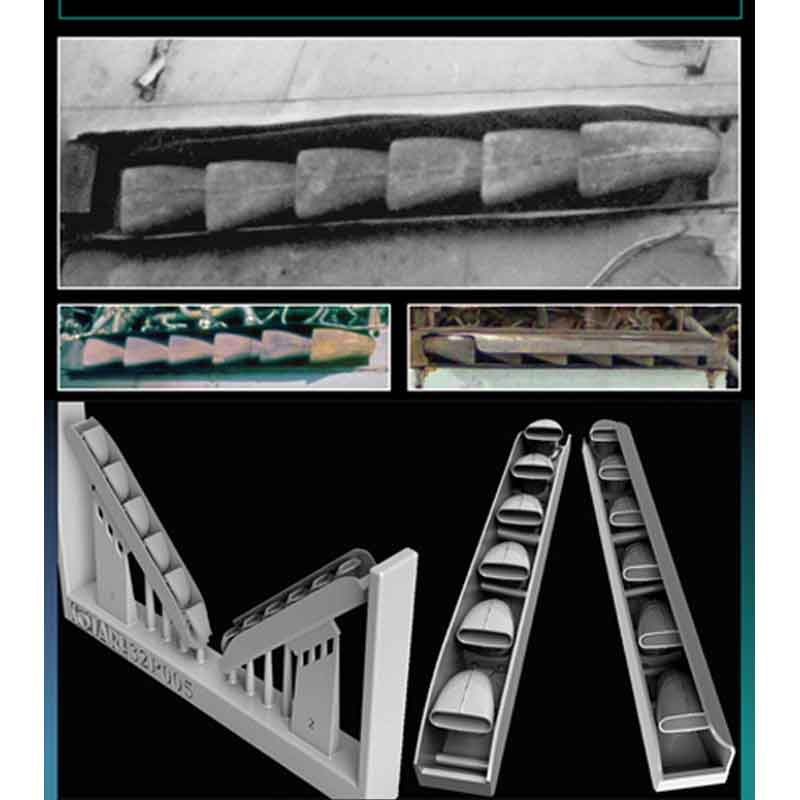
There is something intriguing about the earliest Spitfires, maybe because they carry that sense of a design still finding its shape. Kotare’s early Mk I taps into that perfectly. The new tooled parts feel crisp and deliberate, like the engineers wanted to underline just how different these machines were from the later, more familiar variants. You notice it in the smaller things, the subtleties of the airframe, the form of the cockpit fittings, the look of the original equipment that rarely makes it into a mainstream kit.
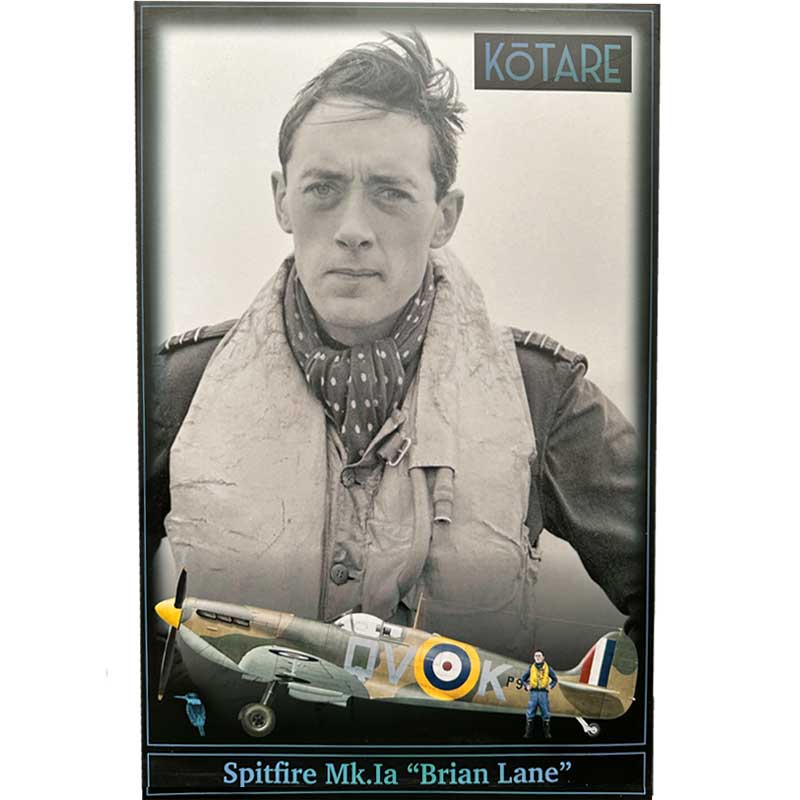
The kit arrives with 155 parts, and it has that clean Kotare feel where everything fits in a way that encourages you to slow down rather than push on. The instruction book is clear and surprisingly enjoyable to leaf through, almost like someone actually cared about the pacing. Three Cartograf-marked options walk you from the quiet pre-war period into the early war months, including machines flown by Cozens, Feary, Mamedoff, Goodwin, and the remarkable Grumpy Unwin, whose story sits almost literally on your doorstep. It gives the build a sense of connection that is hard to manufacture any other way.
- 155 injection-moulded parts, including 35 newly tooled components
- Accurate early-production Mk I features unique to this release
- 35 cm wingspan with refined surface and rivet detailing
- Fully illustrated 28-page instruction manual
- High-quality Cartograf decals for three historically significant schemes
- Includes optional early-equipment configurations and structural details
- Suitable for pre-war through Battle of Britain display options
The earliest Mk I Spitfires belong to that brief moment when the RAF still felt like it had a little more time than it actually did. Aircraft like K9795 and K9798 were stepping stones towards the wartime Spitfire, flown by pilots who were learning the machine almost as quickly as it was changing beneath them. K9798 carries the story of GC “Grumpy” Unwin, born just behind your warehouse, who entered the RAF as a regular and ended up with more Spitfire hours than anyone else by 1939. These were the pilots doing test flights, deliveries, and long hours in the cockpit, shaping the understanding of what the aircraft could really do.
By the time you reach machines like L1065 in 1940, the tension has shifted. Volunteer pilots like AB Mamedoff add to the narrative, and the Spitfire itself is already evolving in response to the pressures of the war. Paint varied, fittings changed, and no two airframes looked exactly alike. This kit captures that transitional period with a kind of quiet respect for the details, letting you build not just an aircraft but a snapshot of a world on the cusp of something much heavier.